

What's Happening?
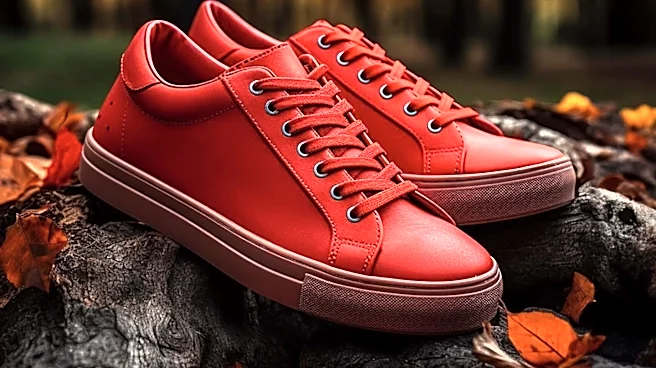
As the buying season for autumn 2026 concludes, fashion retailers and trend experts are observing significant shifts in footwear styles. According to Jan Agelink, a trend expert, retro sneakers are evolving rather than disappearing, with slimmer silhouettes
and influences from martial arts and classic football heritage. There is also a growing importance for formal styles like loafers and dress boots, reflecting a broader movement towards tailoring and craftsmanship. Christine Boland, another trend analyst, notes a desire for classic models such as loafers, ballet flats, and sneakers, which are being reimagined with new proportions, materials, and details. This trend is driven by a need for familiarity in a rapidly changing world, with consumers seeking both comfort and individuality in their footwear choices.
Why It's Important?
The evolving footwear trends for autumn 2026 reflect broader societal shifts, including a counter-reaction to digitalization and AI, as consumers seek physical and tactile experiences. The emphasis on craftsmanship and materials suggests a growing appreciation for quality and durability. This shift could impact the footwear industry by encouraging brands to innovate while maintaining classic elements, potentially leading to increased consumer engagement and sales. Retailers may need to adapt their strategies to balance experimentation with commercial reliability, ensuring they meet consumer demands for both familiarity and novelty.
What's Next?
As the footwear market continues to evolve, brands and retailers are likely to focus on hybridization, blending classic shapes with technical elements. This cross-pollination could lead to new, functional, and outdoor-inspired versions of traditional models like loafers. Retailers may also need to adjust their buying strategies to accommodate rapidly changing trends, driven by social media influences. The emphasis on individuality and personal expression in footwear design is expected to persist, with consumers seeking unique and personalized options.
Beyond the Headlines
The shift in footwear trends highlights deeper cultural and social movements, such as the tension between creativity and commerce. As consumers seek to stand out in an increasingly uniform world, personalization and distinctive designs become crucial. This trend reflects a broader desire for individuality and self-expression, challenging brands to innovate while maintaining commercial viability. The footwear industry may need to navigate these dynamics carefully, balancing the need for experimentation with the demand for reliable, classic styles.