
What's Happening?
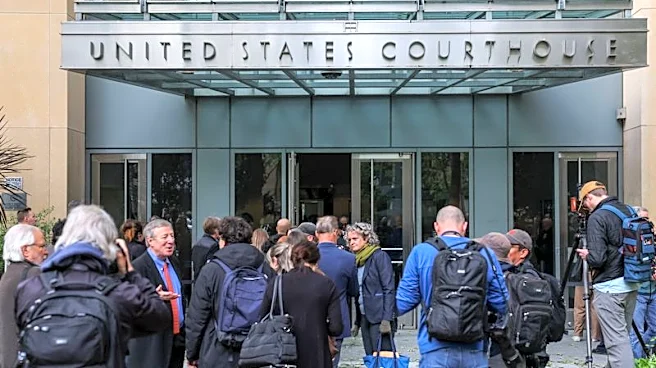
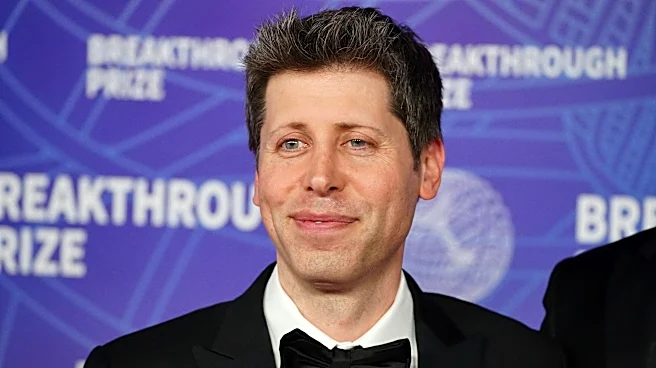
A high-profile trial has commenced between Tesla CEO Elon Musk and OpenAI CEO Sam Altman, focusing on Musk's allegations that OpenAI reneged on its promise to remain a nonprofit. The trial, taking place
in California federal court, is divided into two phases: a liability phase to determine any wrongdoing and a remedies phase for next steps. The jury will provide advisory input during the first phase, but the final decision rests with Judge Yvonne Gonzalez Rogers. The case highlights tensions over OpenAI's operational direction and Musk's push to oust Altman and OpenAI's president, Greg Brockman.
Why It's Important?
The trial underscores significant tensions within the tech industry regarding the governance and operational models of AI companies. Musk's lawsuit against OpenAI raises questions about the ethical and strategic direction of AI development, particularly concerning profit motives versus nonprofit commitments. The outcome could influence how AI companies structure their operations and governance, potentially impacting investor confidence and public trust in AI technologies. The trial also reflects broader industry debates about the balance between innovation, ethical considerations, and corporate accountability.
What's Next?
As the trial progresses, the tech industry will closely monitor the implications for AI governance and corporate accountability. A ruling in favor of Musk could prompt other AI companies to reassess their operational models and commitments to nonprofit principles. Conversely, a decision supporting OpenAI's current structure might reinforce the trend of AI companies pursuing profit-driven strategies. The trial's outcome could also influence regulatory discussions on AI governance, potentially leading to new guidelines or standards for the industry.