
What's Happening?
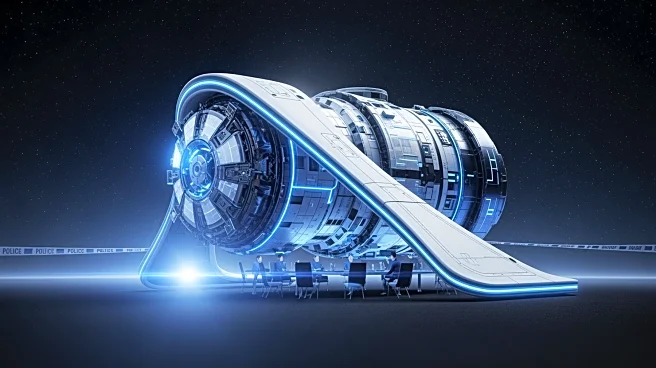
Northrop Grumman has been awarded $125.6 million as part of NASA's Commercial Low Earth Orbit Destination (CLD) program to retrofit existing technology into a new space station. This initiative is part of a broader
effort to develop commercial successors to the International Space Station (ISS), which is nearing its retirement at the end of the decade. The CLD program, revamped under the Trump administration in 2025, shifted its focus from maintaining a continuous crewed presence to supporting four-person crews for month-long missions. Northrop Grumman is among several companies, including a Nanoracks-led team and a Blue Origin-led team, that have received funding to develop commercial space stations. The program aims to foster private investment in space infrastructure, with future stations expected to attract customers beyond NASA.
Why It's Important?
The development of commercial space stations under the CLD program represents a significant shift in how space infrastructure is funded and operated. By encouraging private investment, NASA aims to reduce its financial burden while fostering innovation and competition in the space industry. This approach could lead to more sustainable and economically viable space operations, potentially opening new markets and opportunities for commercial entities. The involvement of major aerospace companies like Northrop Grumman highlights the strategic importance of maintaining a U.S. presence in low Earth orbit, especially as international competitors also seek to expand their space capabilities. The success of these initiatives could have far-reaching implications for the U.S. space industry, influencing policy, economic growth, and technological advancements.
What's Next?
As the CLD program progresses, NASA is expected to award additional contracts worth $1.5 billion to at least two companies for further development of their space station proposals. This next phase will be crucial in determining which designs will move forward and how they will be implemented. Companies like Northrop Grumman will need to demonstrate the viability and sustainability of their projects to secure continued support. The outcome of these developments will likely influence future U.S. space policy and international collaborations, as well as the commercial space market. Stakeholders, including government agencies, private companies, and international partners, will be closely monitoring these advancements to assess their potential impact on global space exploration efforts.