




What's Happening?
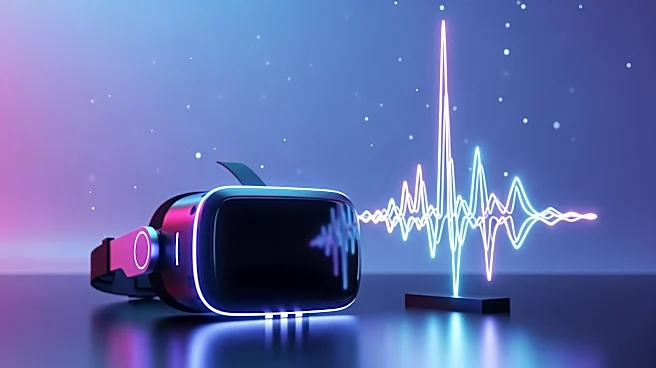
Meta has expanded its Horizon TV app offerings with an immersive concert featuring the Goo Goo Dolls at New York City's Beacon Theatre. This concert is part of a growing collection of live music performances available in virtual reality (VR), joining
other acts like Coldplay and Arcade Fire. The concert utilizes VR180 video technology, providing viewers with a high-quality, immersive experience that captures the atmosphere of a live venue. The production includes multiple camera angles, including on-stage perspectives, enhancing the sense of presence and intimacy for viewers. This approach allows fans to experience the concert in a way that traditional video cannot, offering a unique sense of being part of the live audience.
Why It's Important?
The integration of live music into VR platforms like Meta's Horizon TV represents a significant development in the entertainment industry. It showcases the potential of VR to offer experiences that are not only immersive but also accessible to a wider audience who may not be able to attend live events. This could lead to new revenue streams for artists and VR companies, as well as broaden the appeal of VR technology beyond gaming. By providing a sense of presence and intimacy, VR concerts can enhance fan engagement and offer a compelling alternative to traditional media formats. This development is crucial as the VR industry seeks to establish more mainstream entertainment use cases.
What's Next?
As VR technology continues to evolve, more artists and entertainment companies may explore similar immersive experiences. Meta's ongoing partnership with figures like James Cameron suggests future expansions into immersive 3D media and storytelling. The success of these VR concerts could encourage other platforms to invest in similar content, potentially leading to a broader adoption of VR in the entertainment sector. Additionally, as technology improves, the quality and accessibility of these experiences are likely to enhance, making them more appealing to a global audience.
Beyond the Headlines
The use of VR for live music experiences raises interesting questions about the future of live entertainment. While these experiences do not replace the atmosphere of attending a concert in person, they offer an alternative that can reach audiences who are geographically or financially unable to attend. This democratization of access could have cultural implications, potentially changing how people experience and value live performances. Furthermore, as VR technology becomes more sophisticated, it may influence how artists conceptualize and produce their shows, integrating digital elements that enhance the live experience.