



What's Happening?
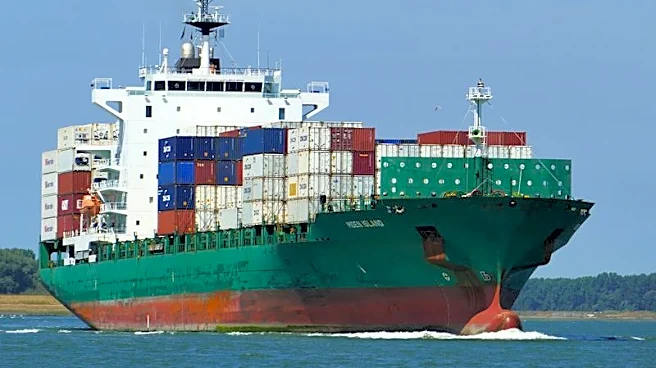
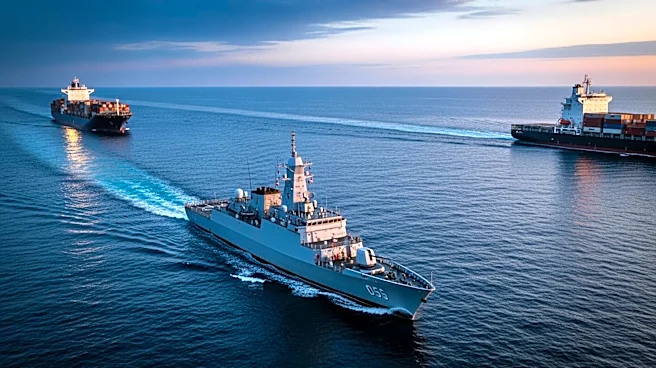
Maersk CEO Vincent Clerc has highlighted the significant impact of the ongoing U.S.-Iran conflict on global trade, particularly in the shipping industry. Speaking to CNBC, Clerc noted that the conflict has led to increased oil prices, which are expected
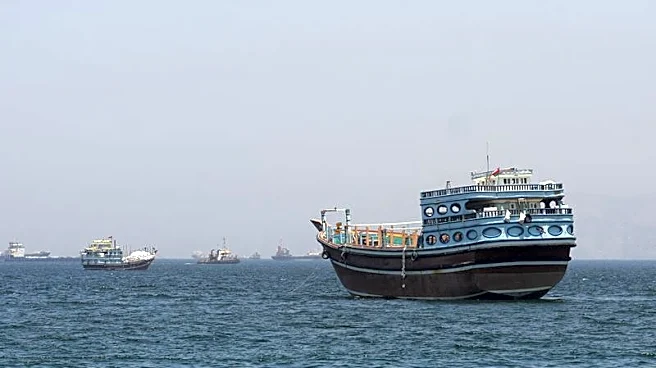
to add approximately $500 million in extra costs per month for the company. These costs are primarily due to the heightened energy prices resulting from the conflict, especially with the strategic Strait of Hormuz being a focal point of tension. Clerc emphasized that these increased costs would likely be passed on to customers, as the company cannot absorb such a substantial financial burden. The situation has raised concerns about the resilience of the shipping industry and global consumption, with potential implications for demand and supply chain stability.
Why It's Important?
The U.S.-Iran conflict's impact on oil prices and shipping costs is a critical issue for global trade, as it affects the cost of goods and services worldwide. The shipping industry, being highly energy-intensive, is particularly vulnerable to fluctuations in oil prices. As these costs are passed on to consumers, there is a risk of inflationary pressures in various economies, potentially leading to reduced consumer demand. This scenario could have a cascading effect on global supply chains, affecting industries reliant on shipping for the movement of goods. The situation underscores the need for businesses to develop strategies to mitigate such disruptions and enhance supply chain resilience.
What's Next?
As the conflict continues, stakeholders in the shipping and trade sectors will be closely monitoring developments in the U.S.-Iran relations, particularly any progress towards a peace agreement. A resolution could stabilize oil prices and alleviate some of the cost pressures on the shipping industry. However, if tensions persist, companies may need to explore alternative routes or strategies to manage costs and maintain supply chain efficiency. Additionally, governments and international organizations might engage in diplomatic efforts to de-escalate the situation and ensure the free flow of trade through critical maritime routes.