



What's Happening?
The logistics industry is grappling with ongoing volatility and geopolitical tensions as it enters 2026. According to insights from Dagmar Trepins, a seasoned observer of global logistics, disruptions have become a constant feature rather than episodic events. Key factors contributing to this instability include tariffs, geopolitical conflicts, and rising security risks, which are now integral to global supply chain operations. The pharmaceutical sector, particularly high-value therapies like GLP-1 weight-loss and diabetes drugs, is significantly impacted by these changes. Manufacturers are re-evaluating their cost structures and production strategies, leading to increased investment in U.S. manufacturing and the expansion of regional logistics hubs.
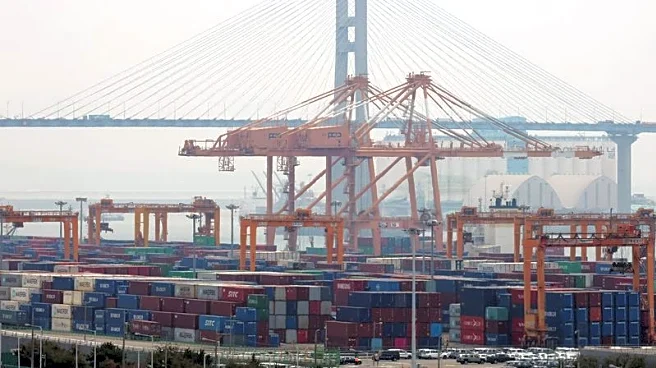
This shift is driving logistics providers to adapt by integrating more deeply into healthcare supply chains. Additionally, ocean carrier trends indicate that tariffs, weak demand, and new vessel capacity are contributing to market volatility, with U.S. shippers facing challenges in maintaining straightforward planning due to these factors.
Why It's Important?
The ongoing volatility in the logistics industry has significant implications for U.S. businesses and the broader economy. As manufacturers and logistics providers adjust to new realities, the focus is shifting from cost efficiency to resilience and strategic flexibility. This transition is crucial for maintaining supply chain continuity in a world marked by geopolitical tensions and economic uncertainty. The pharmaceutical sector's adaptation to these changes highlights the broader impact on industries reliant on global supply chains. For U.S. shippers, the need to navigate tariffs, shifting trade lanes, and structural imbalances underscores the importance of resilience and open options. The evolving logistics landscape demands that companies prioritize security and strategic flexibility over traditional cost considerations, which could lead to long-term shifts in supply chain strategies and operations.
What's Next?
As the logistics industry continues to adapt to persistent volatility, companies are likely to focus on building hybrid networks that balance global reach with localized operations. This approach aims to enhance resilience and align more closely with national priorities. The expansion of U.S. manufacturing and regional logistics hubs is expected to continue, driven by the need for strategic flexibility and security. For logistics providers, the integration into high-value, regulated supply chains presents opportunities for growth and innovation. However, the industry must also contend with ongoing challenges such as policy uncertainty and excess capacity in the ocean carrier market. As these dynamics unfold, stakeholders will need to remain agile and responsive to changing conditions to ensure supply chain continuity and competitiveness.