





What's Happening?
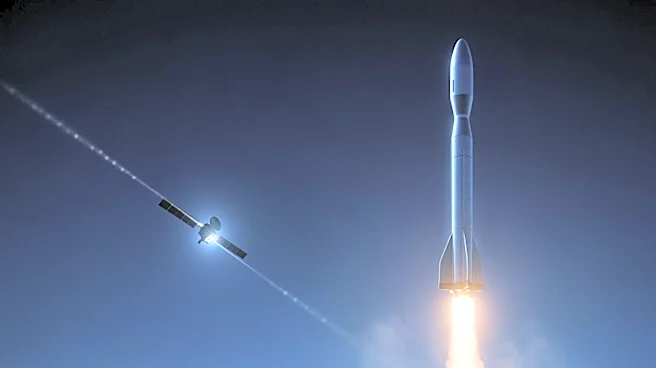
AT&T is considering expanding its partnerships beyond AST SpaceMobile for direct-to-device (D2D) connectivity. During AT&T's Q1 2026 earnings call, CEO John Stankey mentioned the potential for additional low-Earth orbit (LEO) partners to provide 'always-on'
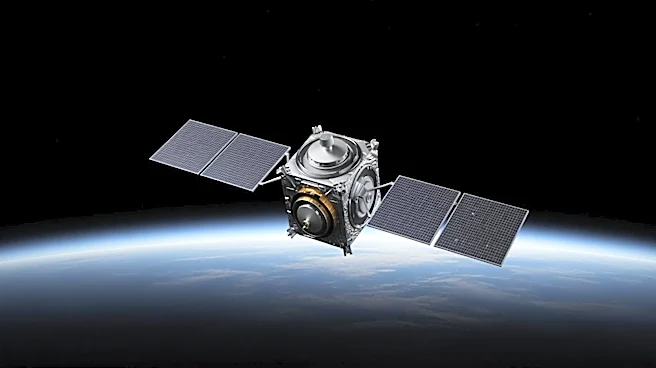
connectivity across the U.S. Stankey highlighted the possibility of collaborating with SpaceX, Amazon Leo, and potentially others. This move comes as AST SpaceMobile, AT&T's current D2D partner, received FCC authorization to deliver cellular broadband from space using lowband spectrum. The authorization allows AST SpaceMobile to deploy up to 248 satellites for supplemental coverage. AT&T's strategy includes leveraging LEO partnerships to fill service gaps in uncovered areas, while maintaining its terrestrial mobile business.
Why It's Important?
The expansion of AT&T's D2D partnerships could significantly enhance connectivity options across the U.S., particularly in underserved areas. By integrating LEO satellite capabilities, AT&T aims to provide more comprehensive coverage, potentially benefiting consumers and businesses in remote locations. This strategy aligns with the growing demand for reliable connectivity and could position AT&T as a leader in the evolving telecommunications landscape. The move also reflects a broader industry trend towards leveraging satellite technology to complement traditional networks, which could drive innovation and competition in the sector.
What's Next?
AT&T's exploration of new LEO partnerships suggests potential collaborations with major players like SpaceX and Amazon. These partnerships could lead to new service offerings and expanded coverage areas. As AT&T continues to develop its D2D capabilities, stakeholders will be watching for announcements of formal agreements and the impact on the company's market position. Additionally, the telecommunications industry may see increased investment in satellite technology as companies seek to enhance their service offerings.