






What's Happening?
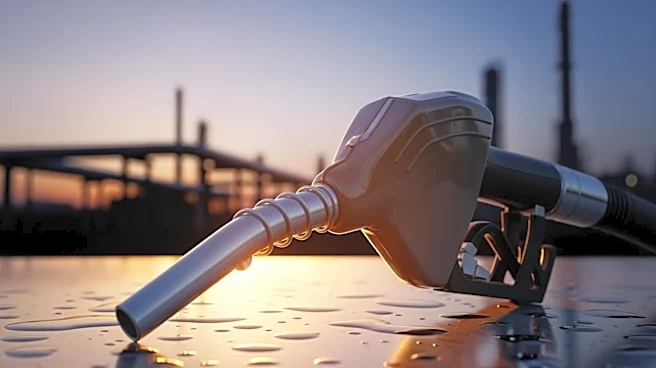
The ongoing conflict with Iran has significantly impacted the global supply chain for plastics, particularly affecting the production and sale of plastic products made from oil and gas. The Strait of Hormuz, a critical transit point for 20% of the world's
crude oil, has seen a halt in commercial shipping, stranding about half of the global ethylene and polyethylene supply. This disruption has led to a surge in the cost of virgin plastics, which are used in a wide range of products from car parts to food containers. As a result, recycled plastics, which are typically more expensive, are experiencing a temporary boost in demand as they become more cost-competitive. However, industry experts remain skeptical about the long-term prospects of this trend, as the situation is heavily dependent on the geopolitical climate and the reopening of the Strait of Hormuz.
Why It's Important?
The current situation highlights the vulnerability of global supply chains to geopolitical tensions, particularly in regions critical to oil and gas production. The temporary boost in recycled plastics could encourage more sustainable practices in the industry, potentially reducing reliance on virgin plastics and decreasing environmental impact. However, the long-term sustainability of this shift is uncertain, as it relies on continued geopolitical instability and potential policy changes mandating the use of recycled materials. The situation underscores the need for more resilient and sustainable supply chains, as well as the importance of policy interventions to support the recycling industry.
What's Next?
The future of the recycled plastics industry will largely depend on the resolution of the conflict in the Middle East and the reopening of the Strait of Hormuz. If the geopolitical situation stabilizes, the price advantage of recycled plastics may diminish, potentially reversing the current trend. Additionally, policy measures, such as mandates for the use of recycled materials, could play a crucial role in sustaining the industry's growth. Companies may also need to renegotiate contracts and adapt to changing market conditions to maintain competitiveness. The industry will be closely watching developments in the region and any potential policy changes that could impact the market.
Beyond the Headlines
The current boost in recycled plastics highlights broader issues related to environmental sustainability and the circular economy. The increased use of recycled materials could lead to significant reductions in greenhouse gas emissions and plastic waste, contributing to global efforts to combat climate change. However, the industry faces challenges such as high transportation costs and the need for infrastructure investments to support recycling processes. Additionally, the reliance on geopolitical instability for market advantages raises ethical concerns about the sustainability of such a business model. Long-term solutions will require coordinated efforts from governments, industry stakeholders, and consumers to promote sustainable practices and reduce environmental impact.