



What's Happening?
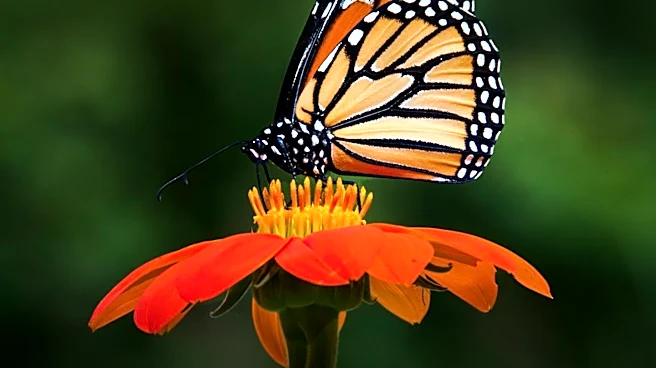
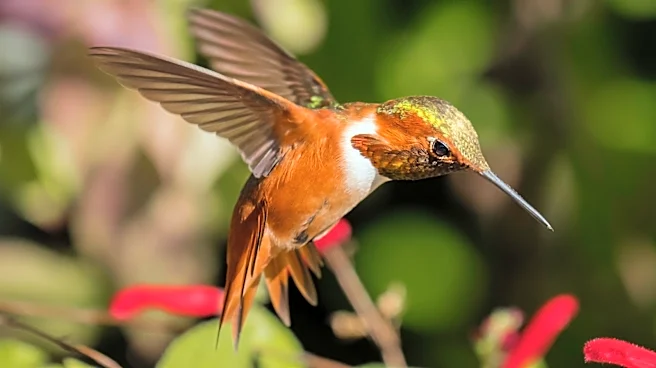
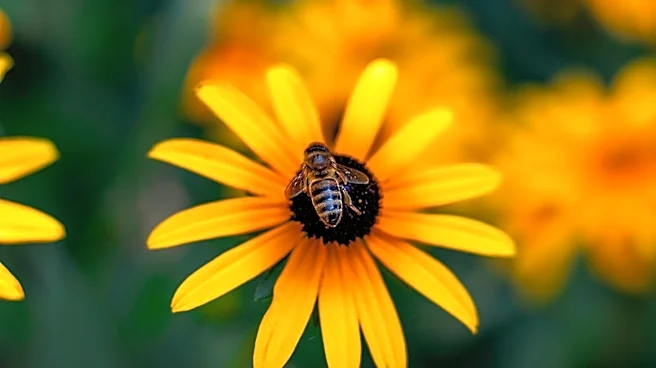
Gardeners are increasingly planting pollinator gardens to attract bees, butterflies, moths, hummingbirds, and other wildlife. Sharon Yiesla, a plant knowledge specialist at The Morton Arboretum, emphasizes the importance of planting for nectar as well
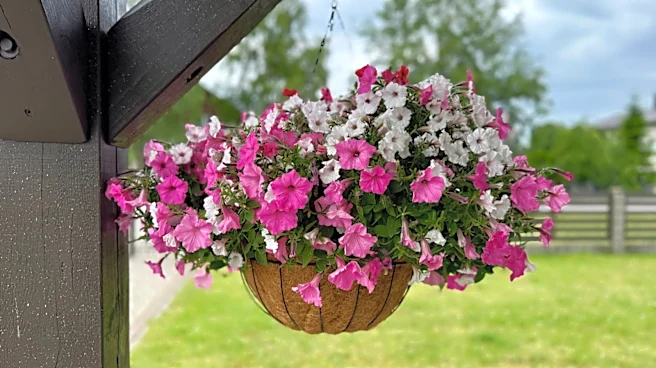
as pollen. Nectar, a sweet liquid produced by plants, serves as a food reward for pollinators, facilitating the fertilization process. Native plants play a crucial role in providing pollen and nectar for native insects, but non-native plants can also be beneficial if they are not invasive. Yiesla advises gardeners to ensure their gardens have plants blooming throughout the season to support pollinators year-round. This includes selecting a variety of flower colors and shapes to attract a wide range of insects. Spring-flowering plants like Virginia bluebells and wild columbine, as well as summer and late-blooming plants, are recommended to provide continuous nectar sources.
Why It's Important?
Pollinator gardens are vital for supporting biodiversity and the health of ecosystems. By providing food sources for pollinators, these gardens help sustain populations of bees, butterflies, and other insects that are essential for plant fertilization. This, in turn, supports agricultural productivity and the health of natural ecosystems. The decline in pollinator populations due to habitat loss, pesticide use, and climate change makes these gardens increasingly important. They offer a practical way for individuals to contribute to environmental conservation and biodiversity. Additionally, pollinator gardens can enhance the aesthetic value of landscapes and provide educational opportunities about the importance of pollinators in ecosystems.
What's Next?
Gardeners are encouraged to continue expanding their pollinator gardens by incorporating a diverse range of plants that bloom at different times of the year. This will ensure that pollinators have access to food sources throughout the growing season. Additionally, avoiding the use of pesticides and providing water sources can further support pollinator health. As awareness of the importance of pollinators grows, more community initiatives and educational programs may emerge to promote the creation of pollinator-friendly environments. These efforts could lead to increased collaboration between gardeners, environmental organizations, and local governments to enhance urban and rural landscapes for pollinators.