


What's Happening?
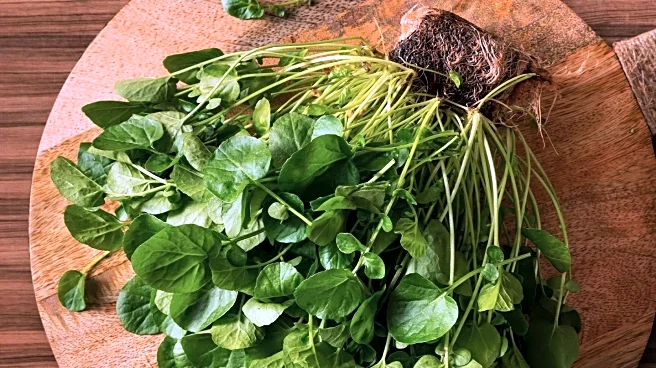
The Centers for Disease Control and Prevention (CDC) has identified watercress as the healthiest vegetable, awarding it a perfect score of 100 in their ranking of 41 'powerhouse' fruits and vegetables. This ranking is based on the nutrient density of these foods, which includes their vitamin, mineral, and antioxidant content. Watercress, a species of cabbage, is noted for its low-calorie profile, providing only 4 calories per cup, while offering significant amounts of vitamins K, C, and A. According to Scott Keatley, RD, co-founder of Keatley Medical Nutrition Therapy, watercress is a nutrient powerhouse that supports bone health, immunity, and vision. The CDC's list also highlights Chinese cabbage and chard as other top contenders, scoring
91.99 and 89.27, respectively.
Why It's Important?
The CDC's ranking underscores the importance of nutrient-dense foods in maintaining health and preventing disease. Watercress, with its high levels of essential vitamins and antioxidants, can play a crucial role in a balanced diet, potentially reducing the risk of chronic diseases such as cancer and supporting overall health. The emphasis on such vegetables aligns with public health goals to encourage healthier eating habits among Americans, which can lead to reduced healthcare costs and improved quality of life. Additionally, the recognition of watercress and similar vegetables may influence consumer choices and agricultural production, potentially boosting demand for these nutrient-rich foods.
What's Next?
As awareness of the health benefits of watercress and other nutrient-dense vegetables grows, it is likely that more consumers will incorporate these foods into their diets. This could lead to increased availability and variety of such vegetables in markets and grocery stores. Nutritionists and healthcare providers may also begin to recommend these vegetables more frequently as part of dietary plans aimed at improving health outcomes. Furthermore, ongoing research into the specific health benefits of these vegetables could provide additional insights into their role in disease prevention and health promotion.
Beyond the Headlines
The CDC's ranking of watercress as the healthiest vegetable also highlights the broader conversation about food accessibility and nutrition education. While watercress is highly nutritious, its availability and affordability may vary across different regions, potentially limiting access for some populations. This raises questions about how to ensure equitable access to healthy foods and the role of policy in addressing these disparities. Additionally, the interaction of watercress's high vitamin K content with certain medications, such as blood thinners, points to the need for personalized nutrition advice, particularly for individuals with specific health conditions.