






What's Happening?
Toyota is planning to increase its production in Japan, but this expansion is contingent on a significant increase in foreign workers. Currently, only 9% of Japan's auto workforce is foreign, a figure that needs to triple by 2040 to sustain production levels.
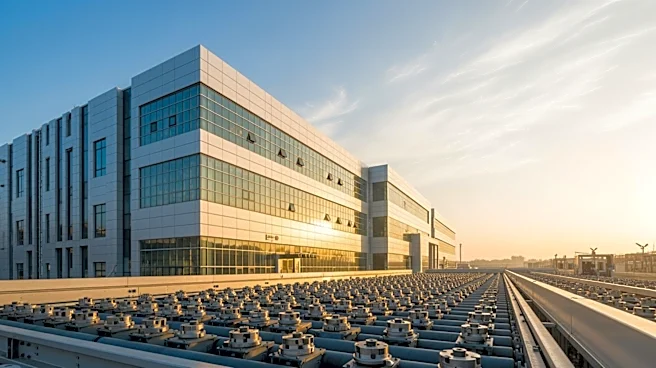
Toyota's new factory, set to open in the 2030s, will be the first since 2012 and is located near a housing complex with a high percentage of foreign residents. The company aims to maintain domestic production at 8 million vehicles annually, which requires a substantial rise in foreign labor participation.
Why It's Important?
The reliance on foreign workers is crucial for Japan's automotive industry to meet production demands and maintain its economic contribution. A failure to increase the foreign workforce could result in a 25% drop in production, significantly impacting Japan's GDP. This situation highlights the broader demographic challenges Japan faces, with an aging population and declining birth rates necessitating a more inclusive labor policy. Toyota's strategy reflects a shift towards a more globalized workforce, which could influence other sectors in Japan to adopt similar practices.
What's Next?
Toyota's commitment to increasing its foreign workforce will likely prompt discussions on immigration policies and labor laws in Japan. The company may need to implement training programs and cultural integration initiatives to support this transition. Additionally, the success of this strategy could set a precedent for other Japanese industries facing similar demographic challenges. Policymakers and industry leaders will need to collaborate to ensure that the influx of foreign workers is managed effectively, balancing economic needs with social integration.