






What's Happening?
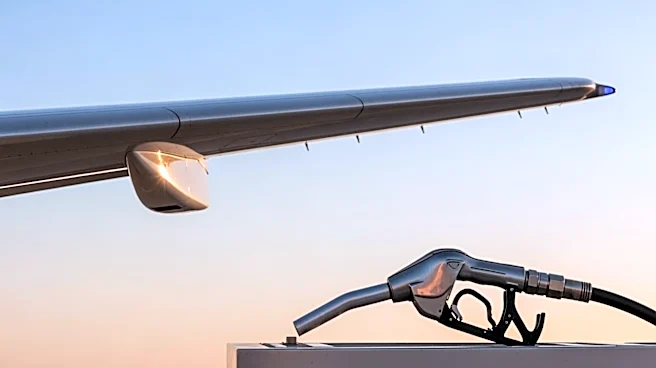
In April 2026, the Dangote Petroleum Refinery in Nigeria emerged as the world's largest exporter of jet fuel. This development occurred after geopolitical tensions in the Middle East disrupted traditional energy corridors, prompting the refinery to shift
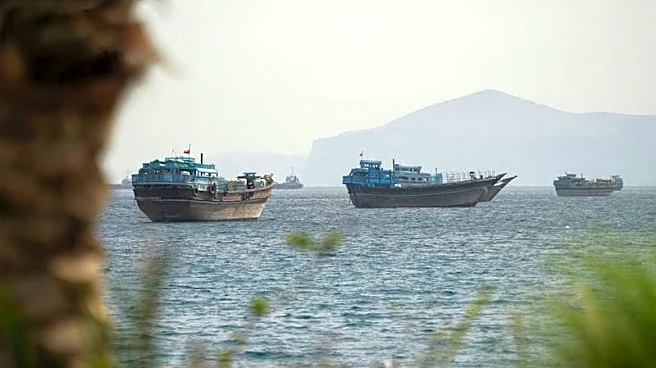
operations to 'max jet mode.' The facility, which has a production capacity of 650,000 barrels per day, has been operating at near-peak output, utilizing a flexible blending system to maximize fuel production. The refinery's rise coincides with increased uncertainty around the Strait of Hormuz, a critical shipping route, leading to a global demand for alternative fuel suppliers.
Why It's Important?
The emergence of Dangote Refinery as a major player in the global jet fuel market signifies a shift in energy trade dynamics, particularly for Africa. This development highlights the continent's growing influence in global fuel markets and underscores the impact of geopolitical disruptions on traditional trade routes. For Nigeria, this milestone represents a significant boost to its energy sector, potentially increasing its economic influence and providing new opportunities for trade and investment. The refinery's success could also inspire other African nations to enhance their energy production capabilities.
What's Next?
Dangote Refinery plans to expand its role as an international trading hub, aiming to increase its production capacity to 1.4 million barrels per day. The company is exploring long-term supply agreements and investing in regional infrastructure projects to support its global ambitions. Domestically, the refinery has taken steps to stabilize aviation fuel prices, offering credit facilities and shifting sales to naira pricing to support Nigerian airlines. These strategic moves could further solidify its position in the global energy market and enhance Nigeria's economic resilience.