





What's Happening?
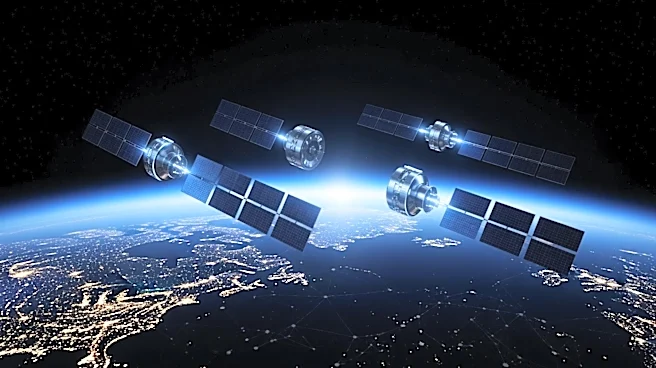
Amazon is advancing its Leo satellite network project, aiming to enter the satellite internet market by 2026. CEO Andy Jassy announced during an earnings call that the service will launch commercially in a few months, despite previous delays. The Leo network is set
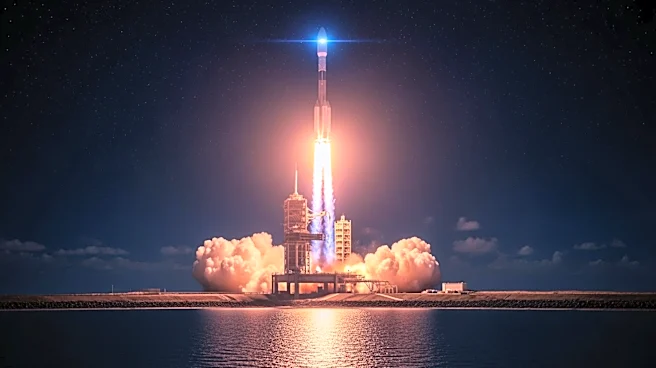
to compete with Elon Musk's Starlink by offering high-speed internet globally at an affordable price. Amazon has secured partnerships with major companies like Delta Airlines, JetBlue, AT&T, Vodafone, DirecTV, and NASA. The Leo network is expected to provide superior performance, with claims of being twice as effective on downlink and six times better on uplink compared to current alternatives. The project involves approximately 250 satellites, significantly fewer than Starlink's 10,000. Amazon's acquisition of Globalstar, which offers emergency satellite connectivity, is a strategic move to enhance Leo's capabilities. However, the project faced a setback when Blue Origin's New Glenn Mission 3, intended to support Leo, failed to deliver a satellite into the correct orbit.
Why It's Important?
The launch of Amazon's Leo satellite network represents a significant development in the satellite internet market, currently dominated by Starlink. By providing high-speed internet access globally, Amazon aims to bridge the digital divide, offering connectivity to billions without broadband access. This move could disrupt the current market dynamics, challenging Starlink's dominance and potentially lowering costs for consumers. The partnerships with major airlines and telecommunications companies indicate a broad market reach and potential for widespread adoption. The success of Leo could enhance Amazon's position in the tech industry, diversifying its portfolio and increasing its influence in global communications. However, the project's success depends on overcoming technical challenges and regulatory hurdles, as evidenced by the recent Blue Origin setback.
What's Next?
Amazon plans to continue developing the Leo network, with commercial service expected to begin in a few months. The company will likely focus on resolving technical issues, such as those experienced with Blue Origin's satellite launch, to ensure a successful rollout. Regulatory approvals and further partnerships will be crucial for expanding the network's reach. As the launch date approaches, Amazon may face increased scrutiny from competitors and regulators, particularly concerning the network's impact on existing services and market competition. The outcome of the FAA's investigation into Blue Origin's recent failure will also be pivotal in determining the timeline for future satellite launches.