
What's Happening?
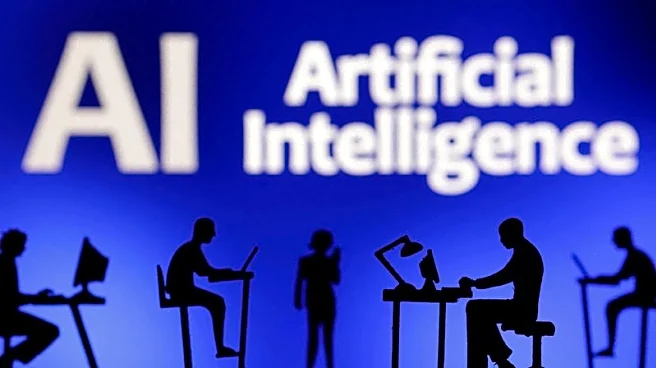
Intuit is making significant investments in artificial intelligence (AI), reflecting a broader trend among U.S. companies to integrate AI into their operations. A survey by AI Resume Builder indicates
that 30% of U.S. companies plan to replace workers with AI by 2026, with manufacturing, IT, software, financial services, accounting, HR, and retail being the most affected sectors. The report highlights that 59% of leaders expecting layoffs believe AI will replace at least 10% of their workforce, while 10% foresee AI replacing half or more. In October, U.S. employers announced 153,074 job cuts, a 175% increase from the previous year, with AI being the second leading cause after cost-cutting.
Why It's Important?
The integration of AI into business operations could significantly impact the U.S. labor market, particularly in sectors like manufacturing and IT. As companies adopt AI to improve efficiency and reduce costs, there is a potential risk of job displacement for many workers. This shift could lead to increased unemployment in certain industries, necessitating retraining and upskilling programs to help affected workers transition to new roles. Additionally, the reliance on AI could reshape business strategies and operational models, influencing how companies compete and innovate in the marketplace.
What's Next?
As AI technology continues to evolve, companies may increasingly rely on it for various functions, potentially leading to further workforce reductions. Businesses and policymakers will need to address the challenges of workforce displacement and consider strategies for workforce development and economic adaptation. The ongoing dialogue about AI's role in the economy will likely intensify, with stakeholders from various sectors weighing in on the ethical and practical implications of AI-driven job changes.