


What's Happening?
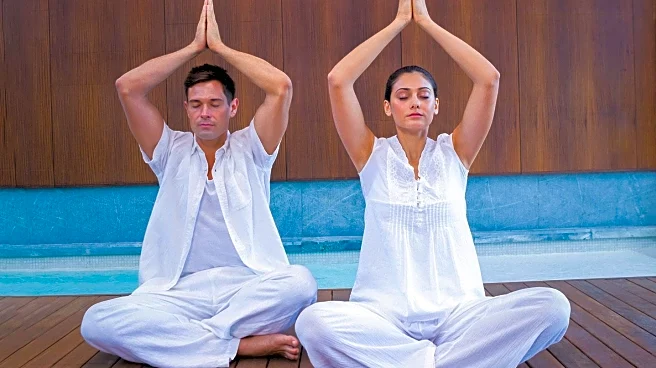
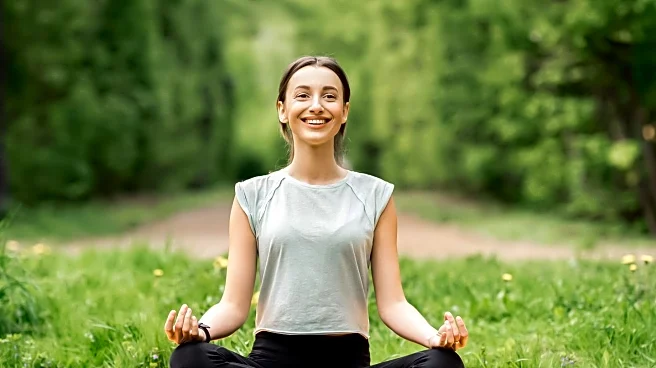
Maylen Arroyo, a certified holistic wellness coach and yoga instructor, emphasizes the benefits of yoga as a form of eco-therapy to manage stress. According to Arroyo, yoga can relax the mind and release physical tension, providing an opportunity to reset
from stressful events. She highlights the importance of intentional, slow breathing, which triggers the parasympathetic nervous system, promoting relaxation and recuperation. Arroyo suggests three specific yoga poses—Child’s Pose, Legs Up the Wall, and Standing Forward Fold—as effective methods to calm the body and mind. These poses are designed to stretch various parts of the body, improve circulation, and release tension, helping individuals to interrupt the cycle of racing thoughts and achieve a state of calm.
Why It's Important?
The practice of eco-therapy, particularly through yoga, offers a natural and accessible way to manage stress, which is a common issue in modern life. Chronic stress can lead to various health conditions and reduce overall well-being, making stress management crucial. By incorporating yoga into daily routines, individuals can enhance their mental health and well-being, potentially reducing the risk of stress-related health issues. This approach aligns with a growing trend towards holistic and natural methods of health improvement, providing an alternative to medication and other conventional treatments. The emphasis on mindfulness and physical movement in yoga can foster a deeper connection to the body and environment, promoting a balanced lifestyle.
What's Next?
As awareness of eco-therapy and its benefits grows, more individuals may seek out yoga and other nature-based practices to manage stress. Wellness professionals and yoga instructors like Maylen Arroyo are likely to continue advocating for these methods, potentially leading to increased demand for yoga classes and workshops focused on stress relief. Additionally, the integration of eco-therapy into mental health programs and corporate wellness initiatives could become more prevalent, offering employees and clients new ways to cope with stress. The expansion of eco-therapy practices may also encourage further research into their effectiveness, potentially influencing public health policies and recommendations.
Beyond the Headlines
Eco-therapy, including yoga, not only addresses immediate stress relief but also contributes to long-term mental health benefits. By promoting mindfulness and physical activity, yoga can enhance emotional resilience and improve overall quality of life. The practice encourages individuals to connect with their surroundings, fostering a sense of community and environmental awareness. As eco-therapy gains popularity, it may influence cultural attitudes towards health and wellness, encouraging a shift towards more sustainable and holistic lifestyle choices. This movement could also impact the wellness industry, driving innovation in eco-friendly products and services.