







What's Happening?
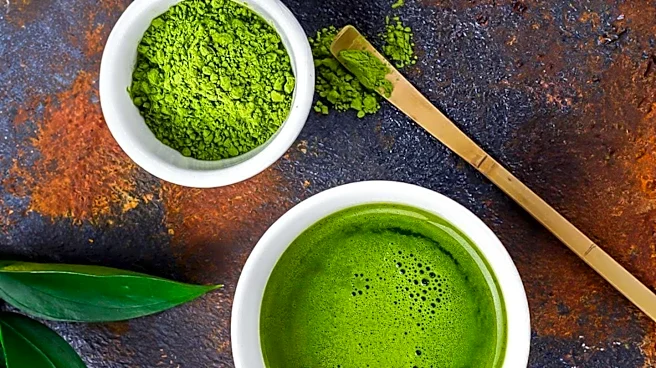
A recent study conducted by researchers in Japan has found that matcha, a traditional Japanese green tea, may help reduce sneezing associated with seasonal allergies. The study involved administering high doses of matcha extract to mice that were genetically
modified to exhibit human-like allergy symptoms. Over a period of five weeks, the mice received three doses of matcha per week, with an additional dose given before exposure to allergens. The results showed a significant reduction in sneezing, attributed to matcha's effect on the nervous system, particularly the brainstem area responsible for the sneezing reflex. This finding is notable because it suggests that matcha affects neurotransmitters rather than the immune system, which is the typical target of allergy medications.
Why It's Important?
The study's findings could have implications for the management of seasonal allergies, which affect millions of people in the United States. Traditional allergy medications often target the immune system to reduce symptoms, but matcha's potential to influence the nervous system offers a novel approach. If further research confirms these results in humans, matcha could become a complementary option for those seeking alternative or additional relief from allergy symptoms. This could be particularly appealing to individuals who prefer natural remedies or who experience side effects from conventional medications. Additionally, the study highlights the broader potential of bioactive compounds in foods and beverages to impact health beyond their nutritional value.
What's Next?
While the study's results are promising, further research is needed to determine if matcha has the same effect on humans as it does on mice. Researchers will likely conduct clinical trials to explore the efficacy and safety of matcha in reducing allergy symptoms in humans. If successful, this could lead to new recommendations for incorporating matcha into allergy management strategies. In the meantime, health professionals may begin to consider matcha as a potential adjunct to traditional allergy treatments, though they will likely advise moderation given the high doses used in the study.
Beyond the Headlines
The study also raises questions about the role of diet and natural compounds in managing health conditions. As interest in holistic and integrative medicine grows, research like this could encourage further exploration of how everyday foods and drinks can contribute to health and wellness. Additionally, the study underscores the importance of understanding the mechanisms by which natural substances affect the body, which could lead to the development of new therapeutic approaches that are both effective and have fewer side effects than conventional drugs.