






What's Happening?
The article discusses the often-overlooked symptoms and treatments related to overactive bladder (OAB) in women. Symptoms such as urgency, frequent urination, and leakage are common but not normal, and they can significantly impact daily life. Dr. Benjamin
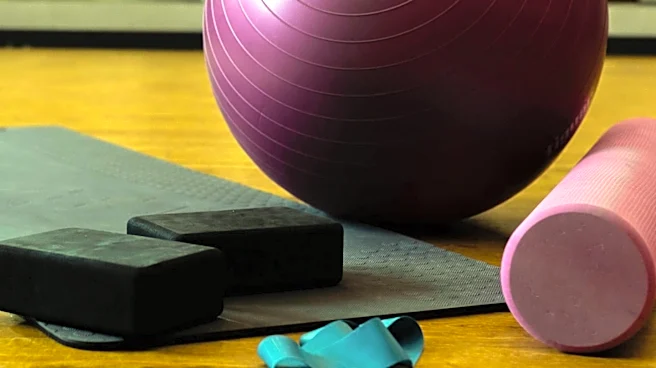
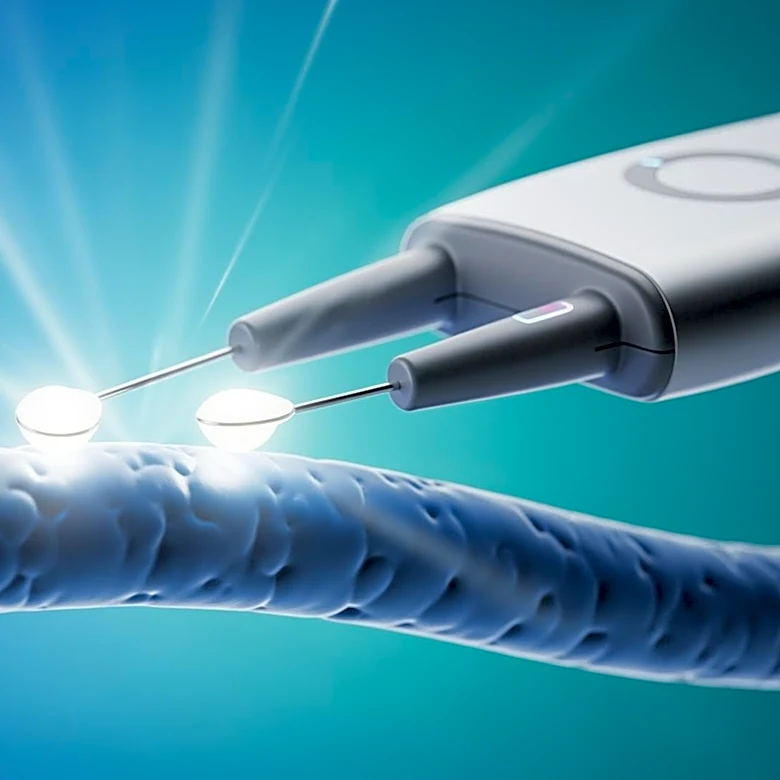
Brucker and Dr. Michael Ingber emphasize that these symptoms should not be dismissed as a normal part of aging or daily life. First-line therapies include dietary and behavioral modifications, along with pelvic floor physical therapy. For persistent symptoms, advanced treatments like Botox injections and neuromodulation are available. These treatments are often performed in outpatient settings and can be highly effective.
Why It's Important?
Understanding and addressing overactive bladder symptoms is crucial as they can significantly affect the quality of life. Many women normalize these symptoms, leading to unnecessary lifestyle adjustments and reduced quality of life. By recognizing these symptoms as treatable conditions, women can seek appropriate medical interventions, improving their daily functioning and well-being. The availability of effective treatments, from lifestyle modifications to advanced medical procedures, offers hope for those affected, highlighting the importance of awareness and medical consultation.
What's Next?
Women experiencing symptoms of overactive bladder are encouraged to track their symptoms and consult healthcare providers. This can lead to early diagnosis and treatment, preventing further lifestyle disruptions. Healthcare providers may recommend starting with non-invasive treatments and progressing to more advanced options if necessary. Increased awareness and education about OAB can lead to more women seeking help and receiving effective treatment, ultimately improving their quality of life.
Beyond the Headlines
The cultural stigma surrounding bladder issues often prevents women from seeking help. Many women adapt their lifestyles to manage symptoms rather than treating them, due to misconceptions about the invasiveness of treatments. By addressing these cultural barriers and promoting open discussions about bladder health, more women can be encouraged to seek medical advice and treatment, reducing the stigma and improving health outcomes.