



What's Happening?
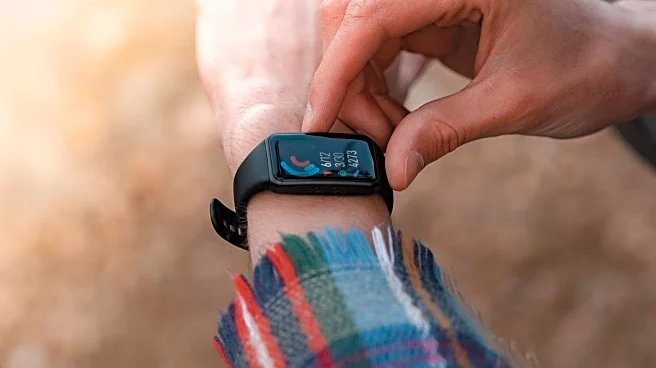
The consumer market is witnessing a significant shift towards minimalist routines, driven by the rise of fitness trackers and apps that gamify everyday habits. This trend is characterized by the monetization of micro-behaviors across technology, fitness, wellness, and productivity sectors. Companies are leveraging gamification, behavioral economics, and AI nudging to encourage users to engage in 'one-minute habits' that are tracked and rewarded. Popular apps like Duolingo, Peloton, and Headspace have capitalized on this trend by offering streaks and badges that incentivize consistent use. These platforms have effectively turned personal routines into competitive activities, fostering a culture of optimization and self-tracking.
Why It's Important?
The shift towards
gamified micro-habits has significant implications for the digital economy and consumer behavior. By transforming simple routines into monetized ecosystems, companies are creating new revenue streams and increasing user retention. This trend reflects a broader cultural obsession with optimization, where even mundane activities are tracked and rewarded. The economic impact is substantial, as these platforms attract venture capital and drive consumer spending on apps and devices. However, this trend also raises concerns about the erosion of organic living and the potential for addiction to digital rewards. As users become more reliant on these systems, the line between self-improvement and obsession becomes blurred.
What's Next?
As AI continues to advance, the personalization of nudges and habit formation is expected to increase. Future developments may include more sophisticated algorithms that tailor recommendations based on individual schedules and moods. This could lead to even greater integration of digital habits into daily life, further blurring the lines between personal routines and digital engagement. Policymakers and psychologists may need to address the ethical implications of this trend, particularly regarding consent and the commodification of attention. A potential counterculture valuing unstructured time and digital detox may also emerge as a response to the pervasive influence of gamified habits.
Beyond the Headlines
The rise of minimalist routines and gamified habits highlights a deeper cultural shift towards constant self-optimization. This trend reflects broader societal pressures to maximize productivity and efficiency in all aspects of life. The integration of social features like leaderboards and shared goals adds a layer of social proof, encouraging users to compete and engage more deeply with these platforms. As digital habits become more ingrained, the potential for long-term psychological and social impacts grows, necessitating a critical examination of the balance between digital engagement and personal well-being.