




What's Happening?
Two Florida-based companies have introduced new products aimed at reducing property damage and insurance claims in storm-prone areas. Flood Risk America, located in Lake Worth, has expanded its offerings with three new flood protection systems: hinged
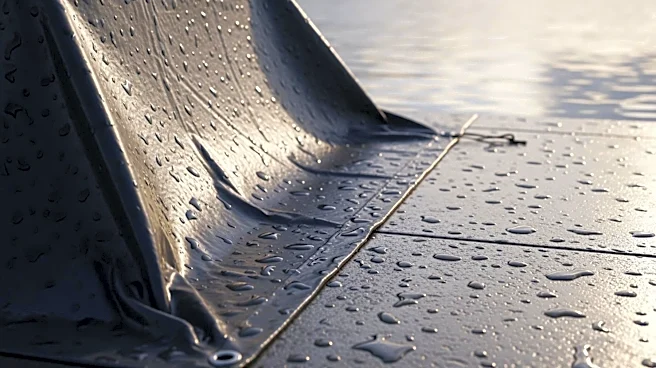
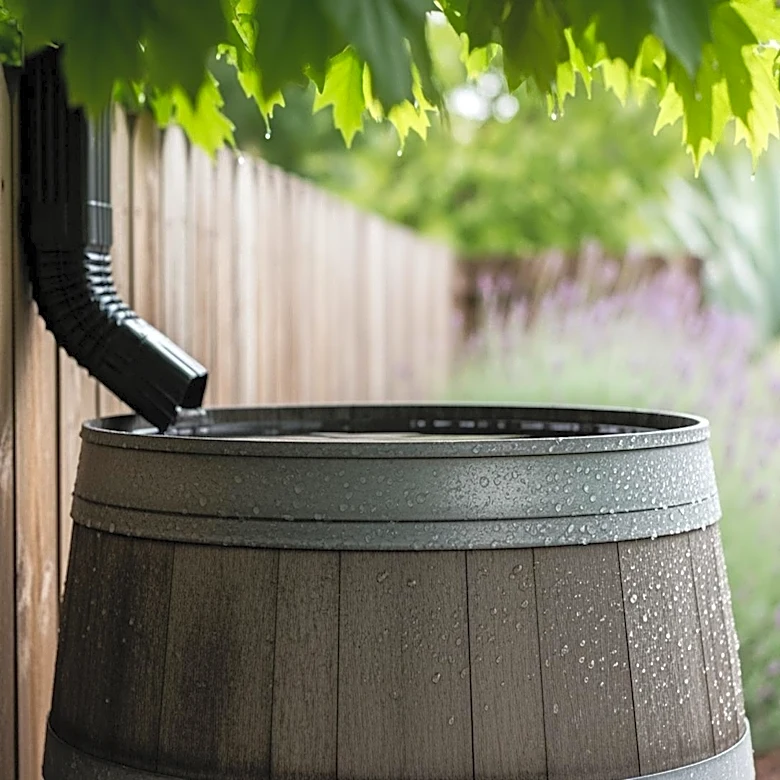
flood gates, permanent flood doors, and fabric flood barriers. These products are designed to provide effective entry-point protection without obstructing daily access. The fabric flood barriers, made from Aqua Fabric, can be easily deployed by a single person. Meanwhile, Ormond Beach-based Tarpers has launched TarpBags, a product designed to secure roof tarps without the need for nails or heavy sandbags. TarpBags can be filled with water to hold down tarps, reducing the risk of additional damage and making the process safer and more efficient.
Why It's Important?
The introduction of these products is significant as they offer practical solutions to mitigate the impact of hurricanes and severe storms, which are common in the Southeast. By reducing the need for roof penetrations and heavy lifting, these innovations can decrease the risk of further property damage and personal injury during storm recovery efforts. This can lead to fewer insurance claims and potentially lower premiums for property owners. Additionally, these products enhance the efficiency and safety of emergency response teams, allowing for quicker deployment and reduced risk during large-scale weather events. The development of such technologies reflects a growing trend towards proactive disaster management and resilience in the face of climate change.
What's Next?
As these products gain traction, they may influence broader adoption of innovative storm protection solutions across the U.S. insurance industry. Insurance companies might consider incentivizing the use of such products through premium discounts or policy adjustments. Additionally, these innovations could prompt further research and development in the field of disaster mitigation technologies. Stakeholders, including government agencies and emergency management organizations, may explore partnerships with these companies to integrate these solutions into broader disaster preparedness and response strategies.