


What's Happening?
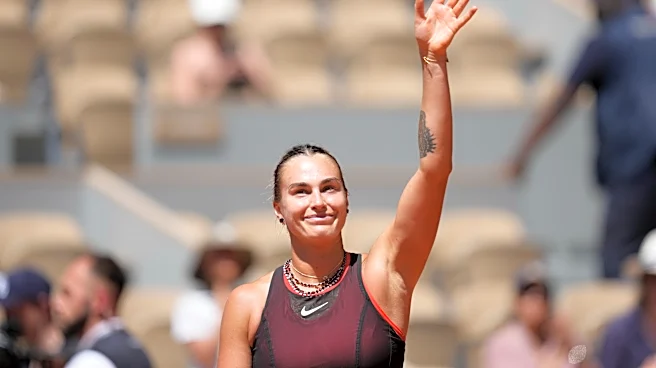
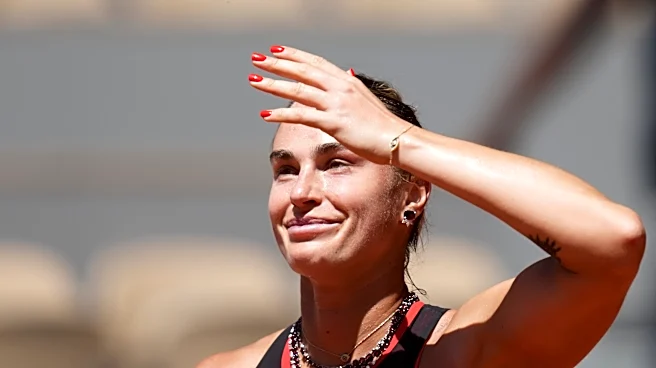
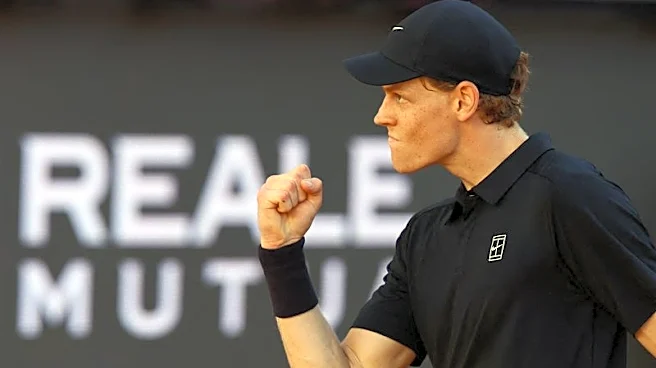
The French Tennis Federation (FFT) has initiated discussions with player representatives following a protest by top tennis players over the current revenue-sharing system at the French Open. The protest, which included prominent players such as men's
world No. 1 Jannik Sinner and women's world No. 1 Aryna Sabalenka, highlighted dissatisfaction with the distribution of prize money relative to tournament revenues. Players are advocating for an increase in their share of the revenue, which currently stands at 15% of projected revenue for this year's French Open, down from 15.5% in 2025. The players aim to increase this share to 22% by 2030. In response to the protest, players have limited their media commitments to the mandatory minimum of 15 minutes. The FFT has agreed to continue discussions in the coming weeks, and similar talks are scheduled with Wimbledon and U.S. Open organizers.
Why It's Important?
This protest underscores a significant issue within professional tennis regarding the distribution of financial gains from major tournaments. The players' demand for a larger share of the revenue reflects broader concerns about fairness and equity in sports economics. If successful, this movement could lead to substantial changes in how revenue is allocated in tennis, potentially setting a precedent for other sports. The outcome of these discussions could impact the financial stability and career decisions of professional tennis players, especially those who rely heavily on prize money. Additionally, the protest and subsequent negotiations may influence public perception of the sport's governance and its commitment to addressing players' concerns.
What's Next?
The ongoing discussions between the FFT and player representatives are expected to continue, with further meetings planned in the coming weeks. The outcome of these talks could lead to changes in the revenue-sharing model at future Grand Slam tournaments. Additionally, the scheduled discussions with Wimbledon and U.S. Open organizers may result in a unified approach to addressing players' demands across major tennis events. The possibility of a boycott, as suggested by players like Aryna Sabalenka and Coco Gauff, remains a potential course of action if negotiations do not yield satisfactory results.