







What's Happening?
Joe Begos, known for his work in cult horror films, is teaming up with WTFilms to produce a new movie titled 'They Call Him Zorro'. This project aims to reinterpret the classic Zorro character, originally created by Johnston McCulley in 1919, through
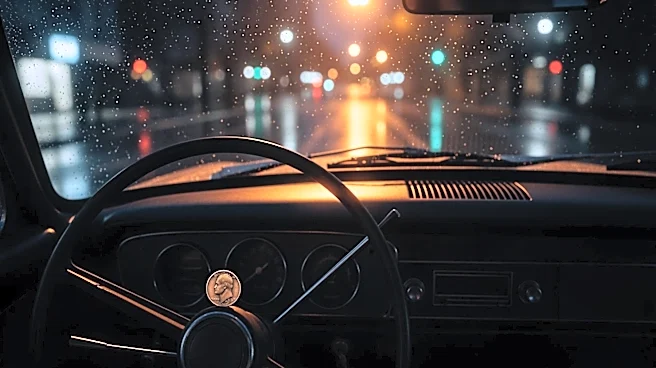
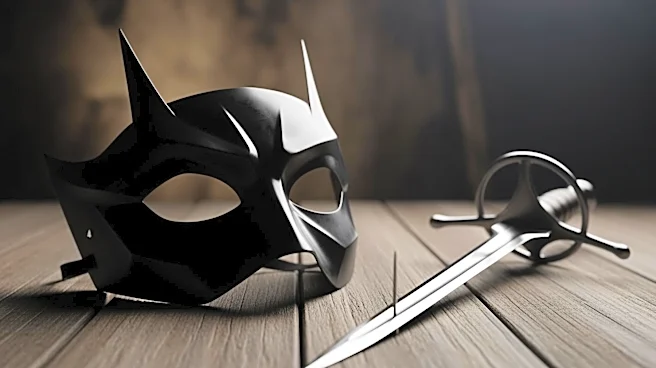
a horror lens. The film will depict Zorro as a brutal vigilante, drawing comparisons to characters like The Punisher and The Crow. The storyline follows Diego Vega, who, after being wrongfully imprisoned by corrupt officials, escapes and seeks vengeance in modern-day Los Angeles. Armed with an array of weapons, he becomes a feared figure known as Zorro. The film will be shot on 35mm to capture the visual texture reminiscent of classic action films.
Why It's Important?
This reimagining of Zorro is significant as it seeks to revitalize a classic character for a modern audience, potentially appealing to fans of both action and horror genres. By casting Zorro as a Mexican character, the film aims to provide representation and create a cultural icon for the Latino community. This project also highlights a trend in the film industry where traditional heroes are being reinterpreted with darker, more complex narratives. The collaboration between Begos and WTFilms could set a precedent for future adaptations of classic characters, influencing how cultural icons are portrayed in contemporary cinema.
What's Next?
WTFilms is currently in the process of financing and casting for the film, with a focus on finding a lead actor who can authentically represent the Mexican heritage of the Zorro character. The production aims to shoot in Los Angeles, utilizing the city's iconic locations to enhance the film's action sequences. As the project progresses, it will be interesting to see how it is received by audiences and whether it can successfully merge the action and horror genres while honoring the cultural significance of Zorro.
Beyond the Headlines
The film's approach to Zorro as a dark vigilante raises questions about the ethical implications of vigilante justice and its portrayal in media. By framing Zorro's actions as a response to systemic corruption, the film may spark discussions on the role of individuals in combating societal injustices. Additionally, the choice to shoot on 35mm film reflects a commitment to traditional filmmaking techniques, which could influence other filmmakers to explore similar methods in an era dominated by digital technology.