



What's Happening?
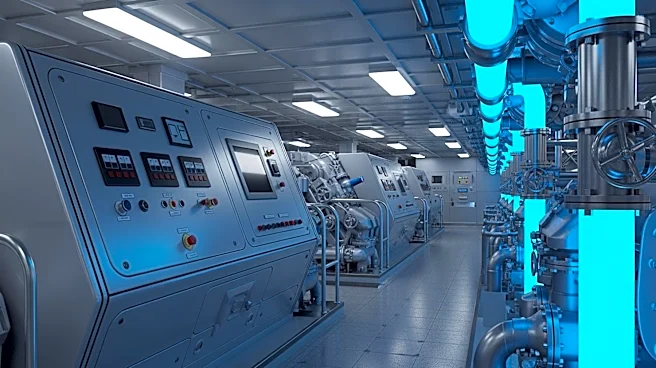
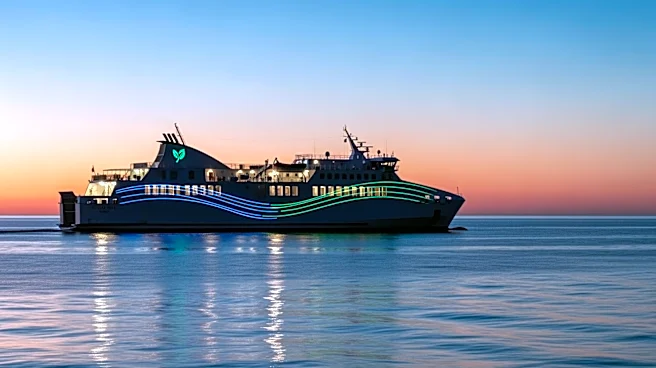
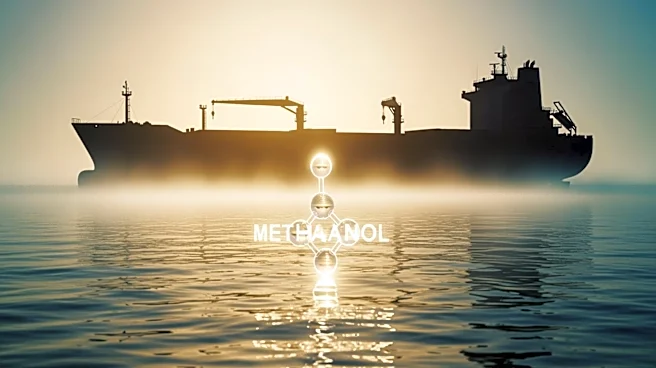
The maritime industry is increasingly focusing on methanol-fueled dual-fuel vessels as a response to growing regulatory pressures to reduce emissions. Companies like Auramarine and PowerCell are at the forefront of this transition, with Auramarine emphasizing
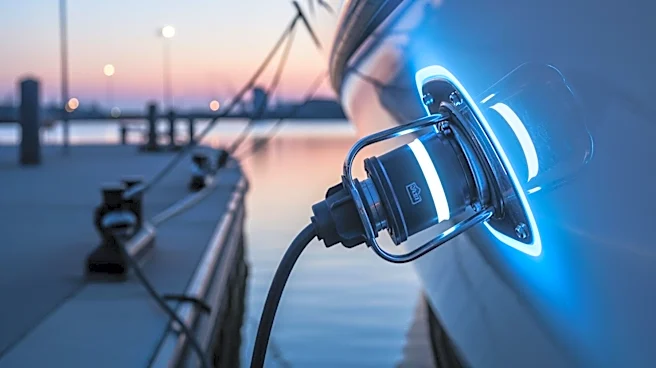
the use of biofuels and methanol for newbuilds and retrofits. PowerCell is advancing hydrogen fuel cell technology for smaller vessels, highlighting the potential for significant emission reductions. The industry's shift is driven by the need to comply with upcoming regulations such as the E.U.'s FuelEU Maritime regulation, which mandates emission reductions beyond the exhaust stack.
Why It's Important?
This shift towards methanol and biofuels is crucial for the maritime industry as it seeks to meet stringent emission targets and reduce its environmental impact. The adoption of alternative fuels not only addresses climate change concerns but also public health issues related to air pollution in port cities. The transition to cleaner fuels is expected to lower operational risks and costs in the long term, while also enhancing the industry's sustainability credentials. This move is significant for shipowners, regulators, and environmental stakeholders who are pushing for greener maritime operations.
What's Next?
As the industry continues to adopt methanol-fueled vessels, further advancements in fuel cell technology and infrastructure development are anticipated. Companies will likely focus on improving fuel availability and system integration to facilitate a smoother transition. Regulatory bodies may introduce additional measures to accelerate the adoption of alternative fuels. The success of these initiatives will depend on continued collaboration between shipbuilders, fuel suppliers, and regulatory agencies to overcome technical and economic challenges.