






What's Happening?
Iron deficiency is a prevalent issue among women, particularly those who are perimenopausal, due to factors such as irregular menstrual cycles and dietary patterns. This deficiency can lead to a range of health problems, including fatigue, headaches,
and more severe conditions like anemia. The deficiency often goes unnoticed because its symptoms are subtle and develop slowly. Experts suggest that a full iron panel is necessary to accurately diagnose iron deficiency, as standard blood tests may not provide a complete picture. Addressing iron deficiency can significantly improve energy levels, cognitive function, and overall health.
Why It's Important?
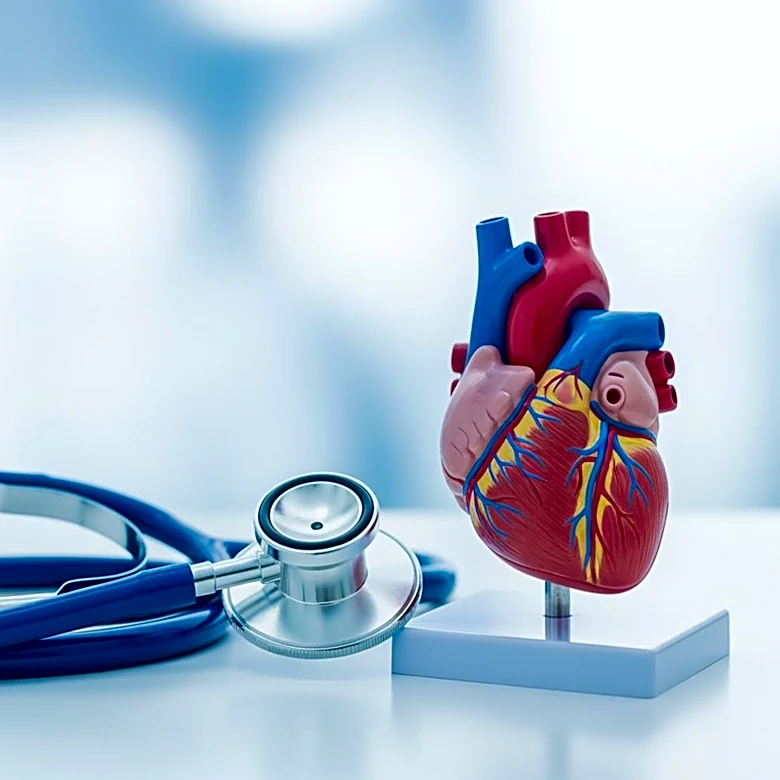
Iron deficiency has profound implications for women's health, affecting their energy levels, cognitive function, and cardiovascular health. It is particularly concerning for women in their reproductive years and those experiencing perimenopause. The deficiency can lead to serious health issues such as heart failure if left untreated. Addressing this deficiency is crucial for improving women's quality of life and reducing healthcare costs associated with treating its long-term effects. The issue also highlights the need for better diagnostic practices and awareness among healthcare providers and patients.
What's Next?
To combat iron deficiency, women are encouraged to undergo comprehensive iron testing and consider dietary adjustments or supplements as needed. Healthcare providers may need to increase awareness and screening for iron deficiency, especially in high-risk groups. Further research into effective treatment strategies and public health initiatives to educate women about the importance of maintaining adequate iron levels could also be beneficial.