







What's Happening?
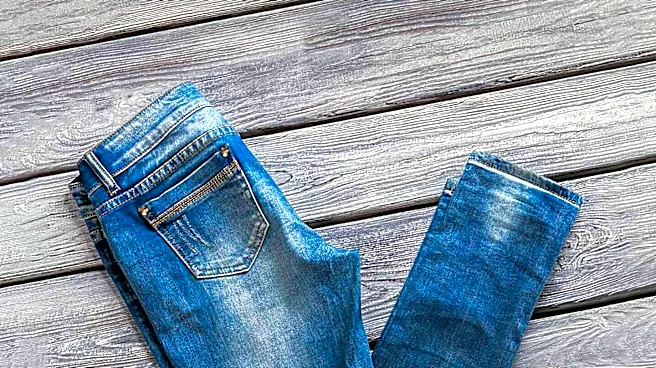
A recent study conducted by The Microfibre Consortium (TMC) has revealed that specific design choices in the processing of jeans can significantly reduce fibre shedding during washing. The research highlights that using mercerised yarn, which is treated
cotton, in combination with certain washing techniques can decrease fibre shedding by 77 to 93 percent per wash cycle. The study identified stone washed and towel washed finishes as particularly problematic due to the friction they cause, leading to high levels of fibre shedding even after multiple washes. In contrast, heavy bleach and ice washes, which involve treating jeans with pumice stone, were found to make the fabric smoother and reduce fibre degradation. The findings underscore the importance of design choices in enhancing the sustainability of the denim industry.
Why It's Important?
The study's findings are significant for the denim industry, which faces increasing pressure to adopt more sustainable practices. Fibre shedding during washing contributes to microfibre pollution, a growing environmental concern. By identifying methods to reduce fibre shedding, the study provides valuable insights for manufacturers aiming to minimize their environmental impact. However, the study also cautions that while certain chemical washes may reduce fibre shedding, they could lead to other environmental issues, such as water pollution during production. This highlights the need for a balanced approach that considers both production and usage phases. Brands are encouraged to integrate these findings into their strategies to achieve a more sustainable denim production process.
What's Next?
The Microfibre Consortium is urging denim brands to consider these findings in their production strategies. While the study offers promising insights, it emphasizes the need for further research to develop comprehensive solutions that address both fibre retention and environmental impact. Brands may need to explore alternative methods and technologies to achieve a balance between reducing fibre shedding and minimizing chemical use. The study serves as a call to action for the industry to innovate and adopt practices that align with sustainability goals.
Beyond the Headlines
The study opens up discussions on the broader implications of textile production and its environmental footprint. It highlights the ethical responsibility of the fashion industry to address microfibre pollution, which affects marine life and ecosystems. The findings may prompt brands to reconsider their production processes and invest in research and development to create more eco-friendly products. Additionally, consumer awareness about the environmental impact of clothing choices could drive demand for sustainably produced denim, influencing market trends and industry standards.