



What's Happening?
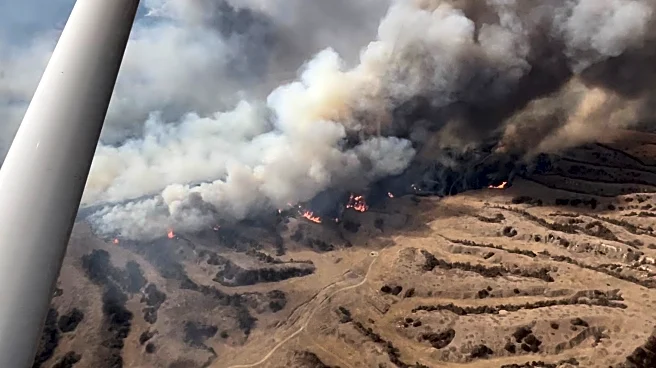
California is experiencing a climate-driven insurance crisis, with insurers withdrawing from the market due to increasing wildfire risks. This has forced many homeowners, even in low-risk areas, to rely on the state's FAIR Plan, which was originally intended
as a last resort for high-risk areas. Enrollment in the FAIR Plan surged by 43% between September 2024 and December 2025. State legislators are now considering new mandates to address these issues, including requiring insurers to cover homes in high-risk areas if homeowners make fire-resilient improvements. The crisis has prompted discussions on reforming the state's insurance market to better reflect growing wildfire risks and incentivize insurers to expand coverage.
Why It's Important?
The insurance crisis in California highlights the broader challenges posed by climate change to the insurance industry. As wildfires and other climate-related disasters become more frequent and severe, insurers are increasingly reluctant to cover high-risk areas, leaving many homeowners vulnerable. This situation underscores the need for regulatory reforms to ensure that insurance remains accessible and affordable. The crisis also serves as a potential model for other states facing similar challenges, as they may need to adopt similar 'carrot-and-stick' approaches to stabilize their insurance markets.
What's Next?
California legislators are working on several bills to address the insurance crisis, including measures to make the FAIR Plan more comprehensive and to require insurers to offer coverage in high-risk areas. The success of these initiatives could influence insurance policies nationwide. Additionally, the California Department of Insurance is considering rate increase requests from major insurers, which could lead to expanded coverage in high-risk areas. The outcome of these efforts will be closely watched by other states and the insurance industry as a whole.