


What's Happening?
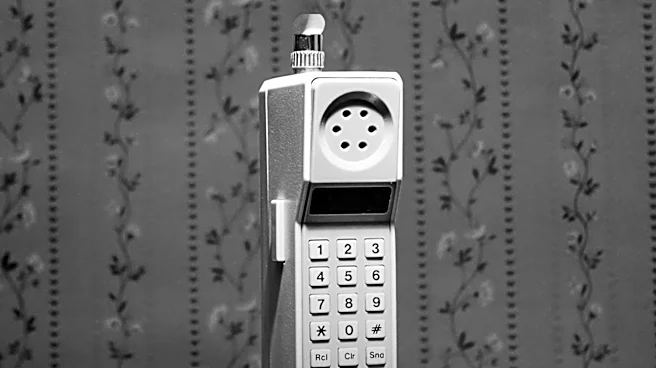
On April 3, 1973, Martin Cooper, a Motorola employee, made the first cell phone call in New York City, marking a pivotal moment in technological history. This event set the stage for the evolution of mobile communication, transforming a bulky handset
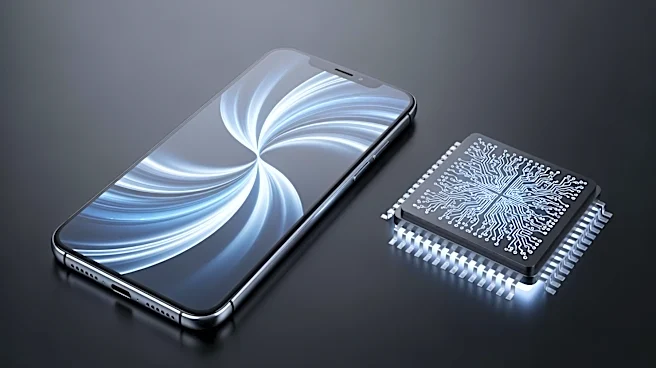
into an indispensable tool for modern life. The cell phone has since evolved into smartphones, integrating multiple technologies such as cameras, internet access, and apps. Today, approximately 97% of Americans own a cell phone, highlighting its rapid adoption compared to other major inventions.
Why It's Important?
The first cell phone call initiated a global transformation in communication, impacting how people work, communicate, and live. The rapid adoption of cell phones, followed by the advent of smartphones, has revolutionized the tech industry, making mobile devices central to daily life. This transformation has facilitated global connectivity, commerce, and access to information, underscoring the cell phone's role as a cornerstone of modern technology. The widespread use of mobile devices has also driven innovation in various sectors, including healthcare, education, and entertainment.
Beyond the Headlines
The evolution of cell phones into smartphones has not only changed communication but also raised new challenges and opportunities. Issues such as data privacy, cybersecurity, and digital addiction have emerged as significant concerns. Additionally, the integration of artificial intelligence and the Internet of Things (IoT) into mobile devices continues to shape the future of technology. As smartphones become more advanced, they are likely to play an even greater role in shaping societal norms and economic structures.