




What's Happening?
The integration of AI technology into workplace surveillance is becoming increasingly prevalent, with companies using emotion AI to monitor employee interactions and productivity. This technology, which includes tools like MorphCast, is capable of analyzing
video, audio, and text to assess worker sentiment and performance. The use of such technology has expanded from customer service roles to white-collar jobs, with applications in monitoring call-center agents, truck drivers, and even during job interviews. The pandemic has accelerated the adoption of remote work, leading to a decline in trust between employers and employees, and a rise in AI-driven surveillance. This shift has transformed human resources into a data-driven field known as 'people analytics'. Despite the potential benefits, there are significant concerns about the accuracy and ethical implications of emotion AI, as it may misinterpret emotions and reinforce biases.
Why It's Important?
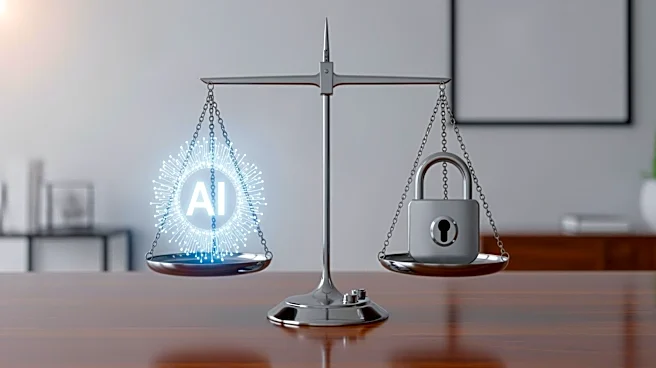
The rise of AI surveillance in the workplace has significant implications for employee privacy and the future of work. While companies argue that these technologies can enhance productivity and safety, they also pose risks of misinterpretation and bias, potentially affecting job security and employee morale. The ability of AI to monitor emotions and productivity could lead to a more controlled and less autonomous work environment, where employees are pressured to maintain a positive demeanor. This could exacerbate stress and reduce job satisfaction. Furthermore, the widespread adoption of such technologies could lead to job displacement, as AI systems may eventually replace human roles. The ethical and legal challenges surrounding AI surveillance highlight the need for regulations to protect employee rights and ensure fair use of technology in the workplace.
What's Next?
As AI surveillance technology continues to evolve, it is likely that more companies will adopt these tools to monitor employee performance. This trend may prompt discussions around the need for regulatory frameworks to address privacy concerns and ensure ethical use of AI in the workplace. Stakeholders, including policymakers, businesses, and labor organizations, may need to collaborate to establish guidelines that balance technological advancements with employee rights. Additionally, there may be increased scrutiny on the accuracy and fairness of emotion AI systems, leading to potential improvements in the technology. Companies may also face pressure to be transparent about their use of AI surveillance and to obtain employee consent before implementing such systems.
Beyond the Headlines
The use of emotion AI in the workplace raises broader questions about the role of technology in human interactions and the potential for AI to influence social dynamics. As these systems become more sophisticated, they may not only monitor but also shape employee behavior, leading to a workplace culture that prioritizes compliance and conformity over creativity and individuality. The ethical implications of using AI to assess emotions and productivity without consent could lead to a reevaluation of privacy norms and the boundaries of employer oversight. Additionally, the potential for AI to perpetuate biases and inaccuracies highlights the need for ongoing research and dialogue about the responsible development and deployment of AI technologies.