






What's Happening?
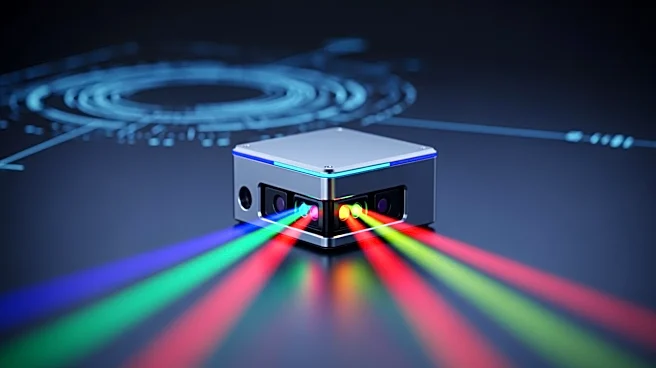
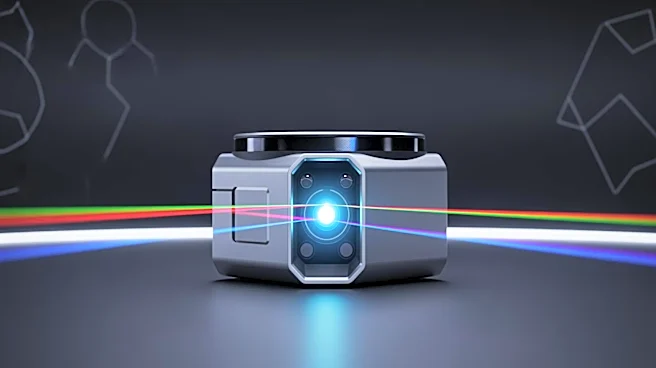
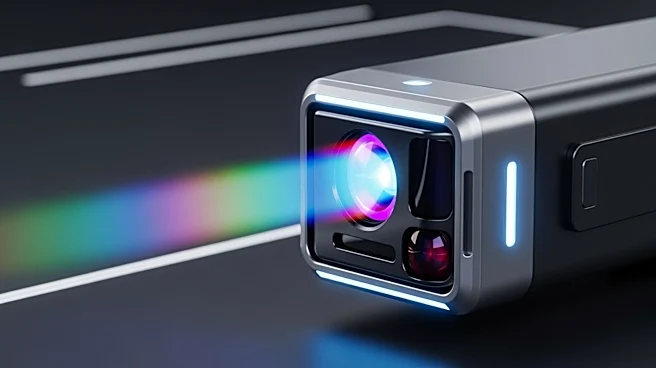
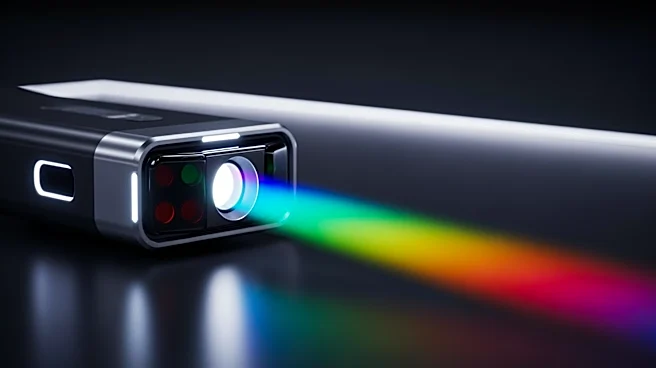
Ouster Inc. has announced the release of its new REV8 OS sensor family, which features the world's first native-color lidar sensors. This innovation is part of Ouster's next-generation L4 Ouster Silicon technology, which aims to provide machines with
3D human-like sight. The REV8 sensors offer up to double the range and resolution of previous models, integrating structure and color to enhance AI perception. The sensors are designed to unify data through physics rather than software, ensuring high-resolution and color-rich imaging. This development marks a significant advancement in the field of physical AI, allowing for more accurate and reliable machine perception across various industries.
Why It's Important?
The introduction of native-color lidar sensors by Ouster represents a major leap forward in AI and machine perception technology. By providing machines with the ability to perceive the world in full color and structure, these sensors can significantly enhance the capabilities of autonomous systems. This advancement is crucial for industries such as automotive, robotics, and smart infrastructure, where precise and reliable perception is essential. The REV8 sensors' ability to process high-quality 3D color data can improve object classification and sensor fusion, leading to safer and more efficient autonomous operations. Additionally, the focus on affordability and scalability makes this technology accessible for mass-market adoption, potentially transforming various sectors by enabling widespread use of advanced AI systems.
What's Next?
Ouster's REV8 OS sensors are available for order and are expected to ship within the current quarter. The company has already garnered interest from several major players across different industries, including Google, Volvo Autonomous Solutions, and Skydio. As these sensors are integrated into various applications, from traffic systems to autonomous vehicles, they are likely to drive further innovation and development in AI technologies. The long-term production stability and scalability of the REV8 sensors suggest that they will play a significant role in the future of autonomous systems, supporting the transition from prototype to commercial production at scale.
Beyond the Headlines
The development of native-color lidar sensors by Ouster not only enhances machine perception but also raises important considerations regarding the ethical and legal implications of AI technologies. As these sensors become more prevalent, issues related to data privacy, security, and the ethical use of AI in decision-making processes will need to be addressed. Furthermore, the integration of such advanced sensors into everyday applications could lead to shifts in workforce dynamics, as automation becomes more capable and widespread. These broader implications highlight the need for ongoing dialogue and regulation to ensure that the benefits of AI advancements are realized responsibly and equitably.