
What's Happening?
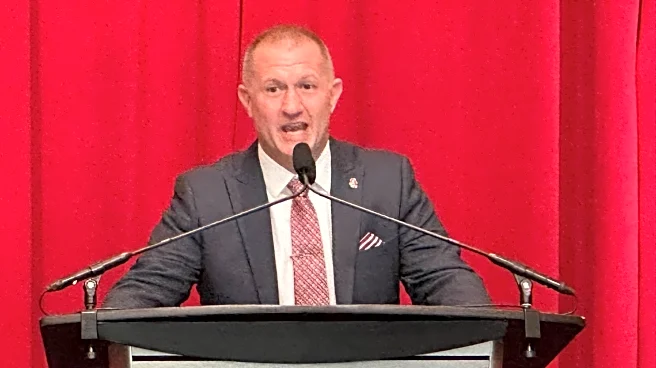
The College Sports Commission (CSC) is conducting an investigation into an athlete from Louisiana State University (LSU) for potential violations of Name, Image, and Likeness (NIL) rules. This inquiry is among the first of its kind for the CSC, which was established following a landmark House settlement that mandates third-party NIL deals exceeding $600 to be reported to the NIL Go clearinghouse. The investigation focuses on possible unreported compensation related to NIL deals, although it is not connected to football. The CSC, which began operations in June, has been expanding its team, including hiring former federal prosecutor Katie Medearis as head of investigations. The commission has also issued new guidance to schools regarding third-party NIL deals, emphasizing
the importance of reporting these deals within five days of execution.
Why It's Important?
This investigation is significant as it highlights the growing scrutiny and regulatory oversight in the realm of college athletics, particularly concerning NIL deals. The CSC's actions underscore the importance of compliance with NIL regulations, which are designed to ensure transparency and fairness in athlete compensation. The outcome of this investigation could set a precedent for how similar cases are handled in the future, potentially affecting how universities and athletes approach NIL agreements. The focus on unreported compensation also raises awareness about the need for proper documentation and adherence to reporting requirements, which could impact the eligibility and financial opportunities for student-athletes.
What's Next?
As the investigation progresses, the CSC may reach out to other schools to ensure compliance with NIL regulations. The findings of this inquiry could lead to further guidance or rule changes to address any identified gaps in the current system. Universities and athletes may need to reassess their NIL strategies to align with the CSC's expectations and avoid potential penalties. Additionally, the CSC's actions could prompt other regulatory bodies to increase their oversight of NIL deals, leading to a more standardized approach across the collegiate sports landscape.