
What's Happening?
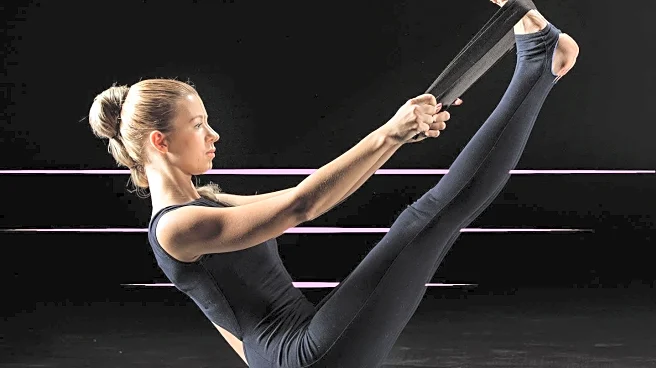
A Pilates instructor, Lindy Royer, has developed a 10-minute standing routine aimed at improving balance and preventing falls, particularly as individuals age. The routine, which can be performed at home,
includes exercises such as ball rolling, heel raises with micro squats, and side-to-side steps. Royer emphasizes that the exercises are designed to challenge the body's balance system, encouraging it to find and correct its limitations. The routine can be modified with support from a chair or wall, and requires minimal equipment, such as a small tennis ball. This approach is part of a broader trend in fitness that focuses on mobility training, which combines elements of strength, flexibility, and balance.
Why It's Important?
The significance of this routine lies in its potential to address a common issue among aging populations: the decline in balance and the increased risk of falls. As people age, changes in muscle mass, eyesight, and bodily awareness can lead to decreased stability. By providing a simple, accessible method to improve balance, this routine could help reduce the incidence of falls, which are a leading cause of injury among older adults. Additionally, the focus on mobility training reflects a shift in fitness priorities, emphasizing long-term health and functionality over traditional strength or endurance training. This could lead to broader adoption of similar practices in fitness regimens across the U.S.
What's Next?
As mobility training gains popularity, it is likely that more fitness professionals will incorporate similar routines into their programs. This could lead to increased awareness and adoption of balance-focused exercises among the general public, particularly among older adults. Fitness centers and wellness programs may also begin to offer specialized classes or workshops dedicated to mobility and balance training. Furthermore, as the benefits of such routines become more widely recognized, there may be increased research into their effectiveness and potential applications in physical therapy and rehabilitation settings.