



What's Happening?
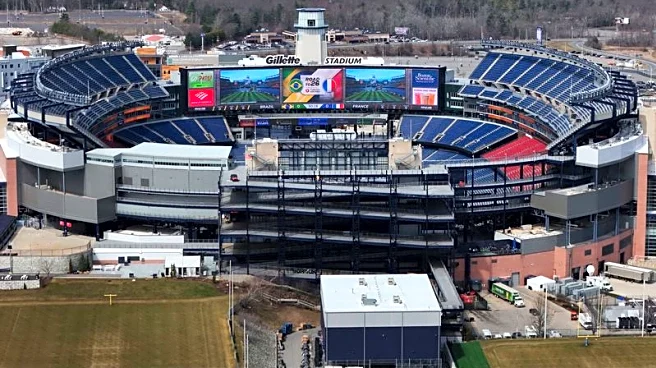
The 2026 FIFA World Cup, set to be the largest in history, will be hosted across Canada, Mexico, and the United States. Despite the anticipated $10.5 billion injection into the global ad market, the event's direct impact on ad growth is expected to be modest.
Instead, retail media is poised to benefit significantly as brands shift budgets from traditional media to more measurable retail media environments. This shift is driven by the need to engage with fragmented audiences across diverse platforms, beyond traditional broadcast rights. Retail media networks (RMNs) like Walmart Connect and Amazon Ads in the U.S. are expected to capture performance-driven budgets, particularly during pre- and post-match periods when consumer spending spikes.
Why It's Important?
The shift towards retail media highlights a significant change in advertising strategies, as brands seek more measurable and performance-driven channels. This trend is particularly relevant in the U.S., where the advanced RMN ecosystem is expected to absorb budgets that might otherwise have gone to linear TV. The World Cup's role as a catalyst for budget reallocation underscores the growing importance of retail media in capturing consumer attention and driving sales. This development could lead to a more fragmented and performance-oriented media landscape, impacting how brands allocate their advertising budgets.
What's Next?
As the World Cup approaches, brands are likely to continue reallocating budgets towards retail media, leveraging the event's cultural significance to drive sales. Retailers will focus on capturing consumer intent during key moments, such as pre- and post-match periods, through targeted advertising and promotions. The success of retail media during the World Cup could further solidify its role in the advertising ecosystem, prompting more brands to invest in these channels for future events.