







What's Happening?
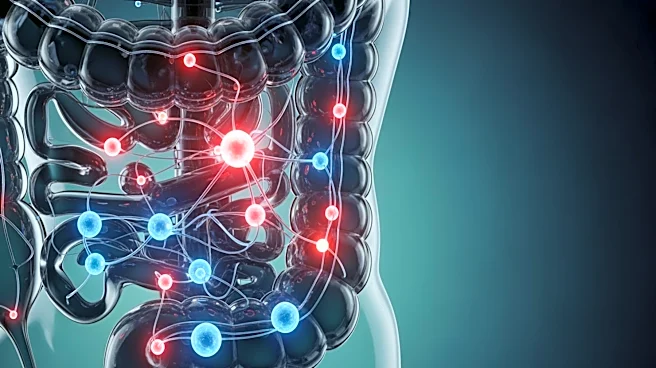
A study by University College Cork and Italian researchers, published in Nature Communications, reveals that habitual coffee consumption affects mood and stress through changes in the gut microbiome. The research examined the 'gut microbiota-gut-brain
axis' and found that coffee alters specific microbial populations, impacting brain function and emotional reactivity. The study compared caffeinated and decaffeinated coffee, noting improvements in impulsivity, emotional reactivity, and anxiety, with caffeinated coffee showing additional benefits for cognitive function.
Why It's Important?
This research highlights the complex relationship between diet, gut health, and mental well-being, suggesting that coffee could be a valuable component of a balanced diet for improving mood and stress management. The findings may influence dietary recommendations and encourage further exploration of how specific foods impact the gut-brain axis. Understanding these mechanisms could lead to new strategies for enhancing mental health through diet.
What's Next?
Further research is needed to explore the long-term effects of coffee on the gut microbiome and its implications for mental health. This could lead to more personalized dietary interventions aimed at optimizing gut health and emotional well-being. The study also opens the door for investigating other dietary components that may influence the gut-brain connection.