


What's Happening?
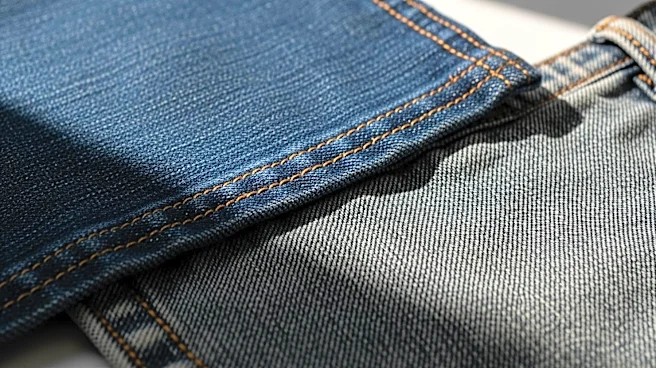
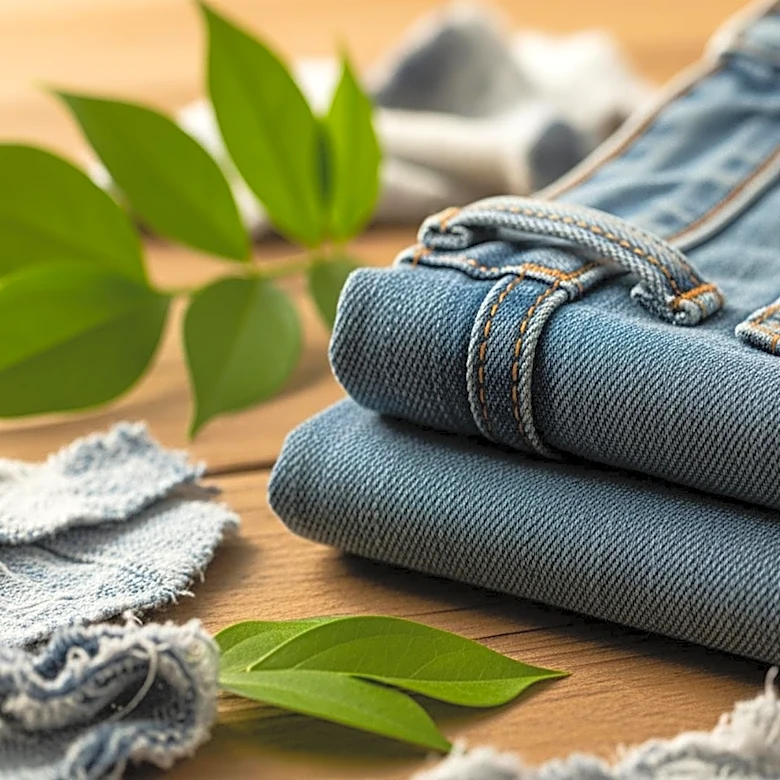
Madewell, a brand owned by J.Crew Group, Inc., has introduced a new denim collection made from approximately 20,000 pairs of post-consumer jeans. The collection, named Madewell x Re&Up x Isko, is available exclusively online and features fabrics containing
recycled cotton sourced from jeans collected through Madewell's Denim Trade Up program. This initiative marks Madewell as the first brand to offer year-round denim recycling, having operated the trade-in program for over a decade. The recycling process is managed by Re&Up, a textile-to-textile recycler owned by Sanko Group, which transforms diverse polycotton blends into new production materials. The fibers are then woven into Global Recycled Standard certified fabrics by Isko, Re&Up's sister company. The collection includes three styles of jeans, each made with a significant percentage of recycled materials, and demonstrates the potential for re-engineering denim waste into high-quality fabrics.
Why It's Important?
The launch of Madewell's new denim collection underscores the growing importance of sustainability in the fashion industry. By utilizing recycled materials, Madewell is contributing to a circular production model that reduces waste and promotes environmental responsibility. This initiative not only showcases the brand's commitment to sustainable practices but also sets a precedent for other companies in the industry to follow. The collaboration with Re&Up and Isko highlights the potential for innovative partnerships to drive sustainable solutions, offering a scalable model for other brands to adopt. As consumers increasingly demand eco-friendly products, Madewell's approach could influence broader industry trends and encourage more brands to integrate sustainability into their supply chains.
What's Next?
Madewell's continued collaboration with Isko and Re&Up suggests ongoing efforts to expand sustainable practices within its product lines. The success of this collection may lead to further innovations in recycling and fabric production, potentially inspiring other brands to explore similar partnerships. As the fashion industry faces increasing pressure to address environmental concerns, Madewell's initiative could serve as a catalyst for change, prompting more companies to invest in sustainable technologies and practices. Future developments may include expanding the range of recycled products offered and enhancing the efficiency of recycling processes to accommodate a wider variety of materials.
Beyond the Headlines
The implications of Madewell's new collection extend beyond environmental sustainability, touching on ethical and economic dimensions. By promoting recycling and reducing waste, the brand is contributing to a more responsible consumption model that aligns with ethical consumer values. Economically, the initiative may drive cost efficiencies in production by utilizing recycled materials, potentially leading to competitive advantages in pricing and market positioning. Additionally, the collaboration with global partners like Re&Up and Isko highlights the interconnected nature of modern supply chains, emphasizing the importance of international cooperation in achieving sustainability goals.