







What's Happening?
A Delta Airlines passenger has sparked discussion online after sharing an experience of being offered an unusually high upgrade cost from Comfort Plus to first class on a domestic flight. The passenger, identified as 3ricj on Reddit, reported being quoted
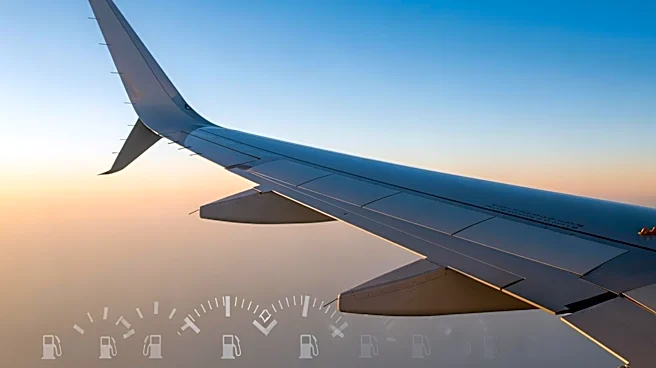
nearly $5,000 for the upgrade, despite the same route being available for $1,839 one way. This incident highlights broader frustrations among travelers regarding unpredictable airline pricing. The post, which humorously questioned the logic behind such pricing, reflects a wider trend of rising travel costs, influenced by factors such as dynamic pricing models and geopolitical tensions affecting fuel prices. Delta CEO Ed Bastian noted in an earnings call that the company is reducing capacity due to increased fuel costs, a sentiment echoed by other industry leaders.
Why It's Important?
The incident underscores the challenges faced by travelers as airlines adjust pricing strategies in response to fluctuating fuel costs and demand. As airlines like Delta implement dynamic pricing models, passengers may encounter significant variations in upgrade offers and ticket prices. This situation is indicative of a broader industry trend where airlines prioritize revenue maximization, sometimes at the expense of passenger satisfaction. The rising costs and unpredictable pricing could lead to increased scrutiny from consumers and potentially impact airline loyalty. As travel demand remains strong, passengers are left to navigate these complexities, weighing the value of premium upgrades against their cost.
What's Next?
As airlines continue to adapt to economic pressures, passengers may need to become more strategic in their travel planning. This could involve booking flights during less busy times or exploring alternative airlines with more transparent pricing models. Additionally, airlines might face pressure to improve communication and transparency regarding pricing strategies to maintain customer trust. The ongoing adjustments in the airline industry could also prompt regulatory scrutiny if consumer dissatisfaction grows.