







What's Happening?
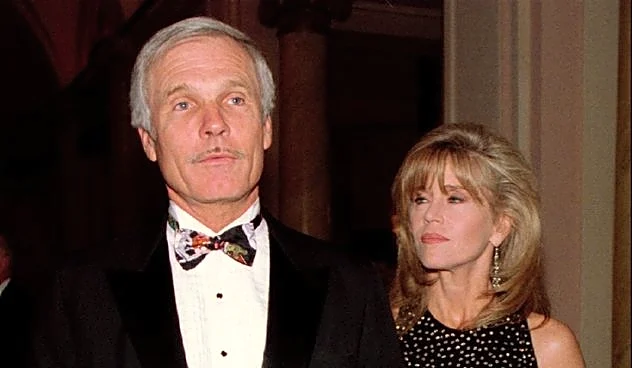
Ted Turner, the founder of CNN, revolutionized the news industry by launching the first 24-hour news channel in 1980. Initially met with skepticism and financial challenges, CNN was derisively nicknamed 'Chicken Noodle News.' Despite these hurdles, Turner persisted,
even cashing in personal assets to keep the network afloat. His vision was to leverage new cable-satellite technology to provide continuous news coverage, a concept that was novel at the time. Turner's efforts paid off as CNN grew to influence public opinion on major global events, such as wars and political revolutions. The network's ability to deliver news instantaneously changed how audiences consumed information, setting a precedent for future news outlets.
Why It's Important?
The establishment of CNN marked a significant shift in the media landscape, introducing the concept of 24-hour news coverage. This innovation not only transformed how news was delivered but also how it was consumed, creating a demand for constant updates and real-time reporting. CNN's model paved the way for other networks to adopt similar formats, fundamentally altering the dynamics of news broadcasting. The channel's influence extended beyond media, affecting political discourse and public perception on a global scale. By providing continuous coverage, CNN played a role in shaping narratives around major events, thereby impacting political and social outcomes.
What's Next?
As the media landscape continues to evolve with digital advancements, the legacy of CNN's 24-hour news model faces new challenges and opportunities. The rise of social media and online news platforms has intensified competition, pushing traditional networks to innovate further. CNN and similar networks may need to adapt by integrating more interactive and personalized content to maintain relevance. Additionally, the ethical implications of 24-hour news, such as sensationalism and the pressure to fill airtime, remain critical issues for the industry to address. The future of news broadcasting will likely involve balancing the demand for instant information with responsible journalism.
Beyond the Headlines
The creation of CNN not only changed the media industry but also had broader cultural implications. It contributed to the phenomenon of 'news as entertainment,' where the line between factual reporting and sensationalism can blur. This shift has raised questions about the role of media in society and its responsibility to provide accurate, unbiased information. Furthermore, the constant availability of news has influenced public behavior, leading to increased anxiety and information overload. As media consumption habits continue to evolve, the impact of CNN's pioneering model on both journalism and society will remain a topic of discussion.