

What's Happening?
The 2027 Toyota RAV4 continues to be a top-selling vehicle in the United States, known for its spacious interior, variety of trims, and impressive fuel economy. The latest model maintains its hybrid-only powertrain, offering a standard 226 horsepower
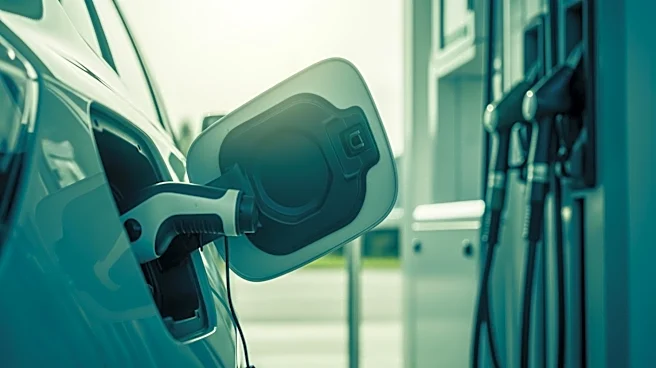
with an all-wheel-drive option that increases output to 236 horsepower. Additionally, a plug-in hybrid variant is available, providing 320 horsepower and up to 52 miles of electric range. The RAV4's design remains largely unchanged from its 2026 redesign, focusing on practicality and efficiency. The vehicle is equipped with a 10.5-inch infotainment display, with an optional 12.9-inch unit, and supports wireless connectivity for Apple CarPlay and Android Auto. Safety features include automated emergency braking, lane-keeping assist, and adaptive cruise control as standard.
Why It's Important?
The Toyota RAV4's continued emphasis on hybrid technology reflects a broader industry trend towards more sustainable and fuel-efficient vehicles. As one of the best-selling models in the U.S., the RAV4's hybrid-only lineup could influence consumer expectations and drive demand for similar offerings from competitors. The vehicle's fuel economy, with EPA ratings of up to 47 mpg in city driving, positions it as an attractive option for environmentally conscious consumers and those looking to reduce fuel costs. The inclusion of advanced safety features as standard also highlights the growing importance of driver-assistance technologies in the automotive market.
What's Next?
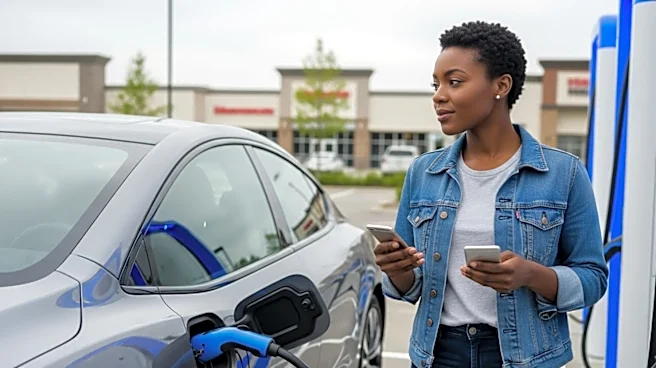
Toyota's focus on hybrid and plug-in hybrid models suggests a strategic move to align with increasing regulatory pressures for lower emissions and higher fuel efficiency. As the automotive industry continues to evolve, Toyota may further expand its hybrid and electric vehicle offerings. Consumer response to the RAV4's hybrid-only lineup will likely influence future product development and marketing strategies. Additionally, advancements in battery technology and charging infrastructure could enhance the appeal of plug-in hybrids, potentially leading to increased adoption rates.