






What's Happening?
The International Aluminium Institute (IAI) reported a significant decline in primary aluminum production in the Gulf region, reaching its lowest level in over a decade. In April, production fell to 330,000 metric tons, marking a 35% decrease from the same
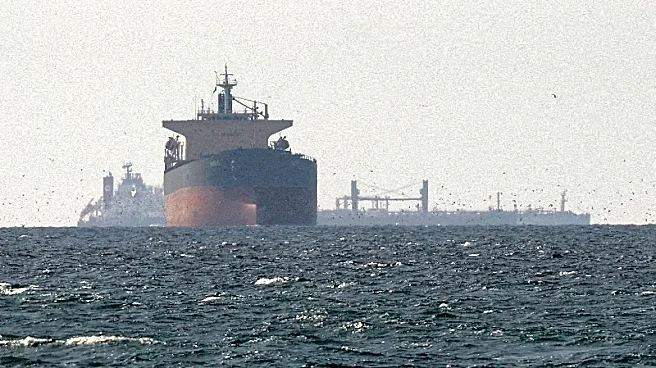
month in 2025. This decline is attributed to the ongoing Iran war, which has disrupted the supply chain for raw materials through the Strait of Hormuz, forcing smelters to seek alternative land routes. The Gulf region, responsible for about 8% of global aluminum production, is a crucial supplier for Japan and the United States, providing 28% and 21% of their imports, respectively.
Why It's Important?
The drop in Gulf aluminum production has significant implications for global markets, particularly for countries like the United States and Japan that rely heavily on imports from this region. The disruption in supply chains could lead to increased prices and shortages, affecting industries that depend on aluminum, such as automotive and construction. The situation underscores the vulnerability of global supply chains to geopolitical conflicts and highlights the need for diversification of supply sources to mitigate risks associated with regional instability.
What's Next?
As the conflict in Iran continues, Gulf smelters may face ongoing challenges in maintaining production levels. The search for alternative supply routes could lead to increased operational costs and further production delays. Stakeholders in the aluminum industry, including importers and manufacturers, will need to monitor the situation closely and consider strategic adjustments to their supply chains. Additionally, there may be increased pressure on governments to seek diplomatic solutions to stabilize the region and ensure the free flow of goods.