







What's Happening?
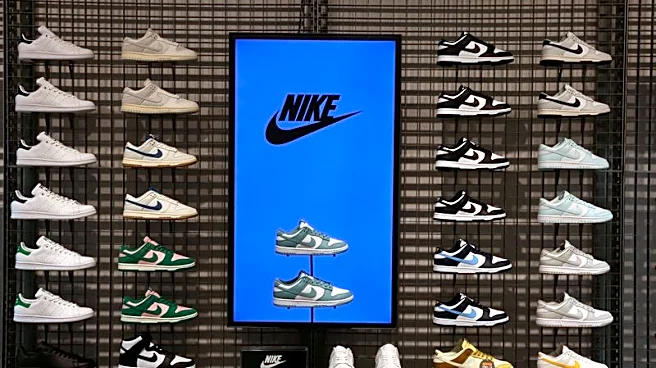
Nike is facing a class action lawsuit filed in a federal court in Portland, Oregon, alleging that the company failed to pass on tariff refunds to consumers. The lawsuit claims that Nike raised prices on its products to offset the costs of tariffs imposed
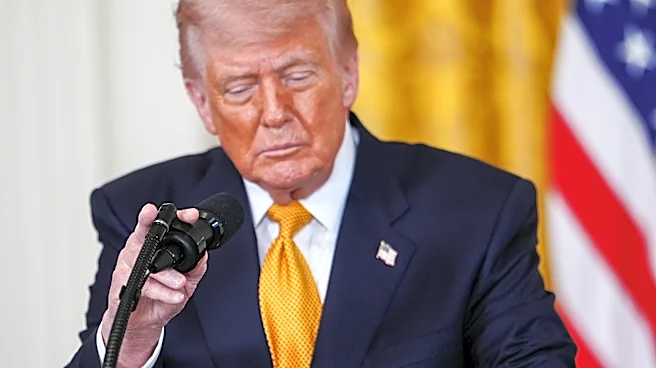
under President Trump's International Emergency Economic Powers Act (IEEPA), which were later ruled unlawful by the Supreme Court. The plaintiffs argue that Nike is now seeking to recoup these tariff payments from the federal government without reimbursing consumers who paid higher prices. The lawsuit follows similar actions against other companies like Costco and Lululemon, which have also been accused of benefiting from 'double recovery' by not passing tariff refunds to consumers.
Why It's Important?
The lawsuit against Nike highlights ongoing consumer concerns about corporate practices related to tariff refunds. If successful, the case could set a precedent for how companies handle tariff-related pricing and refunds, potentially impacting pricing strategies and consumer trust. The outcome may influence other companies facing similar allegations, prompting them to reconsider their refund policies. Additionally, the case underscores the broader implications of trade policies and their effects on consumer prices, which could lead to increased scrutiny of corporate transparency and accountability in pricing strategies.
What's Next?
The court's decision on this lawsuit could have significant implications for Nike and other companies facing similar allegations. If the court rules in favor of the plaintiffs, Nike may be required to reimburse consumers, which could lead to financial repercussions and affect its pricing strategies. The case may also prompt other companies to proactively address consumer concerns about tariff refunds to avoid similar legal challenges. Additionally, the outcome could influence future trade policy discussions and corporate practices regarding transparency and consumer rights.