






What's Happening?
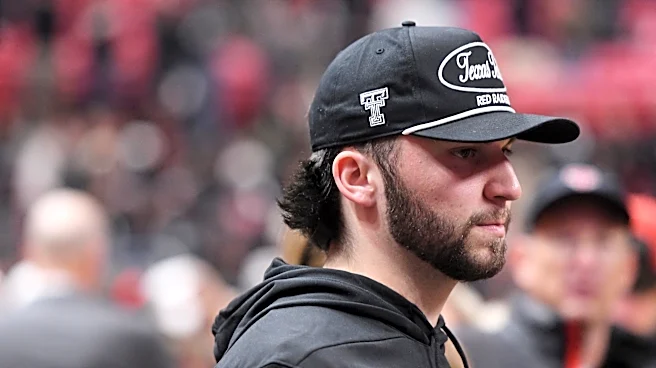
The NCAA has denied Texas Tech's appeal to reinstate quarterback Brendan Sorsby's eligibility, citing his gambling habits as the reason for the decision. This ruling comes as a judge is set to decide on a related civil case that could potentially overturn
the NCAA's decision. The appeal was part of Texas Tech's efforts to allow Sorsby to play in the 2026 season. The NCAA's decision does not affect the ongoing legal proceedings, where a judge will determine if the NCAA's ruling should be overturned. The outcome of this case is crucial for Sorsby, as he faces a deadline of June 22 to apply for the NFL's 2026 supplemental draft.
Why It's Important?
The denial of Texas Tech's appeal by the NCAA has significant implications for both the player and the institution. For Brendan Sorsby, this decision could end his college football career prematurely, affecting his prospects for entering the NFL. The case highlights the NCAA's strict stance on gambling-related offenses, which could serve as a precedent for future cases involving student-athletes. For Texas Tech, the ruling impacts their team dynamics and strategy for the upcoming season, as they lose a key player. The broader implications also touch on the NCAA's regulatory power and its influence over college sports, particularly in maintaining integrity and compliance with its rules.
What's Next?
The next steps involve the pending civil case, where a judge will decide whether to overturn the NCAA's decision. If the judge rules in favor of Sorsby, it could set a legal precedent that challenges the NCAA's authority in similar cases. The NCAA is expected to pursue any available appeals if the decision is overturned. Meanwhile, Sorsby must decide whether to prepare for the NFL's supplemental draft, with the deadline fast approaching. The outcome of the civil case will be closely watched by stakeholders in college sports, as it could influence future policies and the handling of eligibility issues.