
What's Happening?
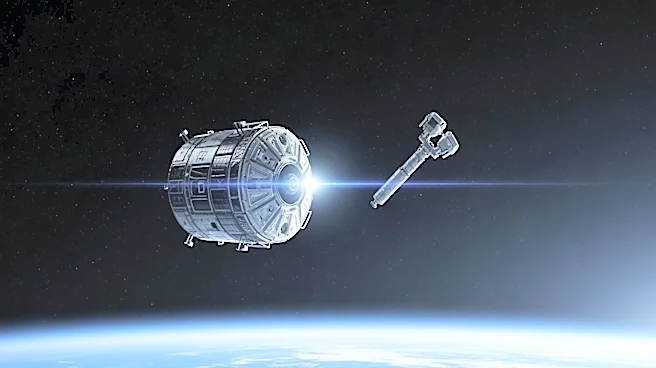
NASA is adjusting its approach to commercial space by moving from a major investor role to an incremental funder, focusing on a 'core module' rather than free-flying stations. This shift reflects concerns about the lack of commercial demand for private
successors to the ISS. The most promising market in Low Earth Orbit (LEO), in-space manufacturing, lacks sufficient demand to sustain itself without government support. The U.S. government has not fully backed LEO-based manufacturing, missing opportunities to establish regulatory pathways and incentivize private investment. The article argues for increased government involvement to realize LEO's potential.
Why It's Important?
The lack of commercial demand in LEO poses a challenge to the U.S.'s leadership in space innovation. Government support is crucial to developing the necessary infrastructure and regulatory frameworks to attract private investment. Without it, the U.S. risks falling behind other countries, such as China and the UK, which are actively pursuing space commercialization. The potential benefits of LEO, including advancements in biotechnology and manufacturing, could have significant implications for industries on Earth. The government's role in fostering a thriving LEO economy is vital for maintaining national security and economic competitiveness.