

What's Happening?
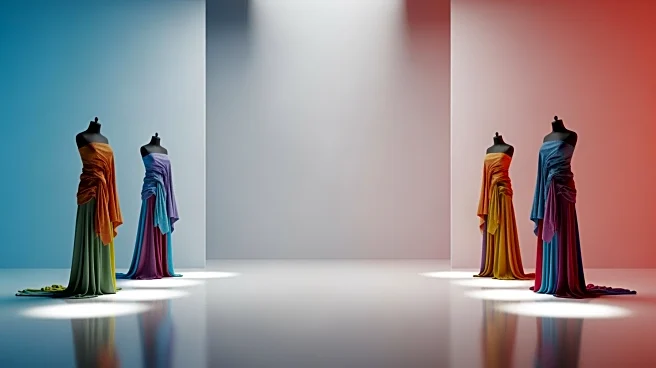
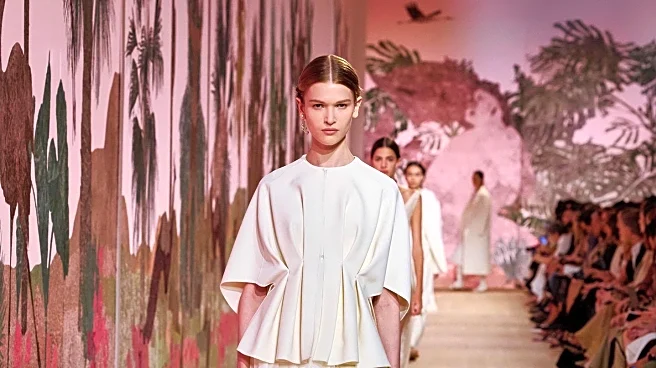
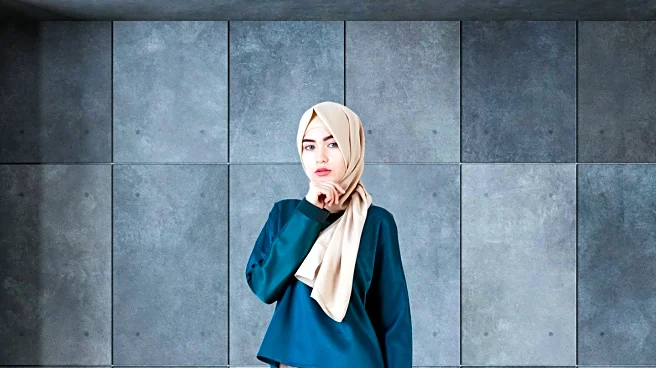
Modest fashion has evolved from a niche market into a significant segment of the global fashion industry, projected to reach $433 billion by 2028. Major department stores such as Galeries Lafayette, Selfridges, and Bloomingdale’s have expanded their offerings to include modest fashion. A notable event at New York Fashion Week in February 2026 highlighted this shift, with the 'Modest Now x Muslimi' show providing a platform for modest designers. Collections like 'The Eid Edit' by Amariah and Athari Wear by Islam Mohamed showcased fluid silhouettes and cultural heritage, emphasizing that modesty is an aesthetic choice rather than a limitation.
Why It's Important?
The recognition of modest fashion by mainstream retailers marks a significant shift in the fashion industry,
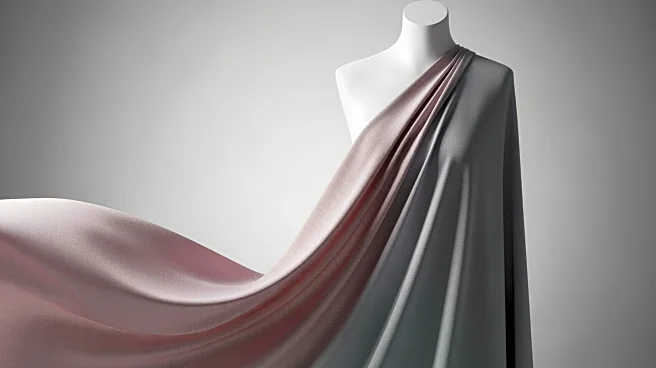
reflecting changing consumer preferences and cultural diversity. This trend is reshaping retail strategies, with a focus on specialized buying cycles aligned with cultural events like Ramadan and Eid al-Fitr. The demand for innovative fabrics and ethical production practices is increasing, driven by a more conscious consumer base. Retailers are adapting to these changes by incorporating textile-to-textile recycling and ethical production, which could lead to more sustainable fashion practices.
What's Next?
The future of modest fashion is likely to involve further integration into luxury retail, as discussed at Shoptalk Luxe in Abu Dhabi. Retailers like the Chalhoub Group are expanding their physical presence and leveraging consumer data to create immersive experiences. Initiatives like 'The Greenhouse' aim to incubate regional labels, ensuring Middle Eastern brands contribute significantly to the global fashion market. This approach could lead to a more diverse and culturally inclusive fashion industry.