




What's Happening?
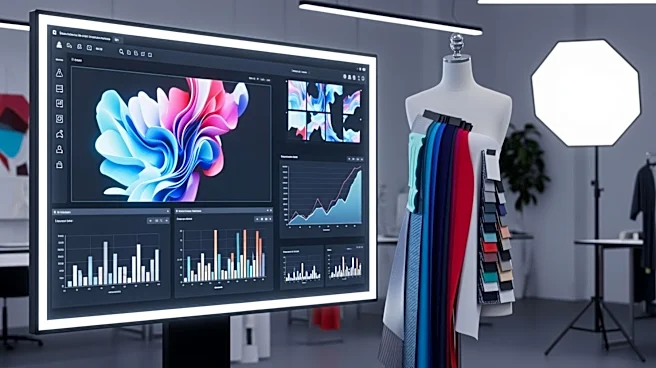
Target has introduced a new artificial intelligence tool called Trend Brain to enhance its fashion trend-spotting capabilities. This tool is designed to assist Target's designers in predicting upcoming fashion trends by analyzing data from social media,
fashion shows, and real-time purchasing trends. The initiative aims to reduce the time it takes to bring new fashion items to market, particularly for Target's owned brands like Wild Fable and Universal Thread. The Trend Brain tool has already shown success in identifying popular designs, such as a polka dot pattern, allowing Target to make more informed purchasing decisions. This AI-driven approach is part of Target's broader strategy to revitalize its fashion offerings and improve sales performance after several years of stagnation.
Why It's Important?
The implementation of AI in fashion trend prediction represents a significant shift in how traditional retailers like Target compete with fast fashion brands such as Temu and Shein. By leveraging AI, Target can streamline its product development cycle, reducing it from months to weeks, which is crucial in the fast-paced fashion industry. This technological advancement not only helps Target stay competitive but also allows it to better meet consumer demands by quickly adapting to emerging trends. The success of this initiative could set a precedent for other retailers to adopt similar technologies, potentially transforming the retail landscape and consumer shopping experiences.
What's Next?
Target plans to expand the use of the Trend Brain tool across more of its design teams, although it currently complements traditional product development strategies. As the company continues to integrate AI into its operations, it may explore further applications of this technology in other product categories. The success of this initiative could lead to increased investment in AI-driven solutions, not only within Target but across the retail industry. Stakeholders, including investors and consumers, will likely monitor the outcomes of this strategy closely, as it could influence future retail practices and consumer expectations.