






What's Happening?
U.S. Energy Secretary Chris Wright appeared on CNBC's 'Squawk Box' to discuss the current state of the U.S. energy sector and international oil trade. Wright highlighted the strategic importance of increasing U.S. oil and gas production, emphasizing the need
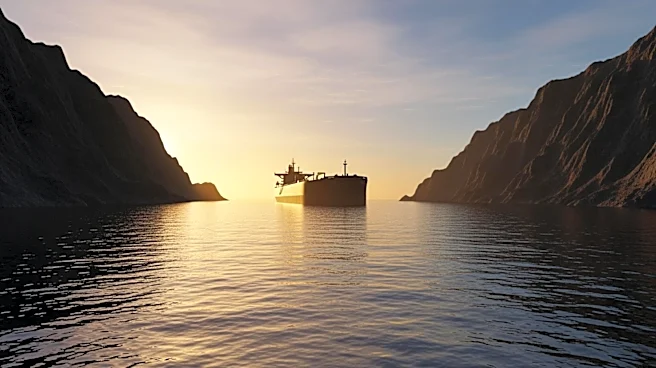
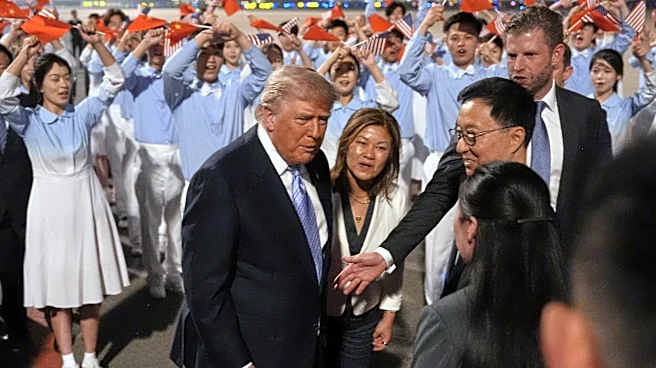
for energy independence and security. He noted that China is expected to increase its imports of U.S. crude oil, reflecting a shift in global energy trade dynamics. Wright also addressed the potential impact of geopolitical tensions, particularly in the Strait of Hormuz, on global oil supply. He reiterated the Trump administration's commitment to maintaining and expanding U.S. energy exports, dismissing the idea of imposing a windfall tax on energy companies.
Why It's Important?
The discussion underscores the critical role of the U.S. in global energy markets, particularly as a major exporter of oil and gas. Wright's comments reflect the administration's focus on energy dominance, which has significant implications for U.S. economic and foreign policy. The potential increase in U.S. oil exports to China could strengthen economic ties and influence geopolitical relations. Additionally, the emphasis on maintaining energy exports highlights the importance of the energy sector to the U.S. economy, affecting jobs and economic growth. The conversation also touches on the broader debate over energy policy, including the balance between fossil fuels and renewable energy sources.
What's Next?
The U.S. is likely to continue expanding its energy production and exports, with potential policy adjustments to support this growth. The administration may engage in further negotiations with international partners to secure energy trade agreements. The situation in the Strait of Hormuz will remain a focal point, with potential implications for global oil prices and supply stability. Domestically, the energy sector may see continued investment and development, particularly in infrastructure to support increased exports. The administration's stance on energy policy could influence future legislative and regulatory actions, impacting the broader energy landscape.