



What's Happening?
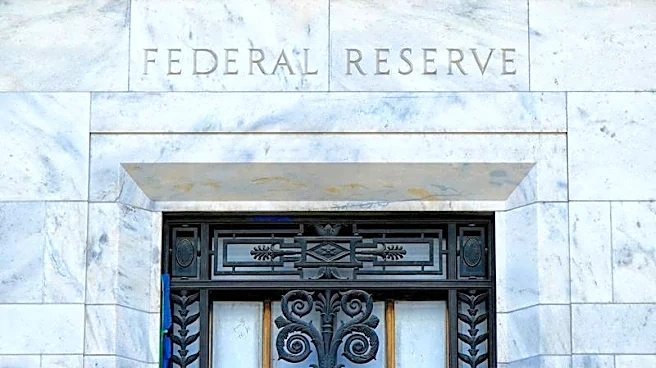
The Federal Reserve's March meeting minutes reveal an increasing number of policymakers are open to the possibility of interest rate hikes this year. This shift comes as higher gas prices, driven by the ongoing conflict in Iran, threaten to exacerbate
inflation. The minutes indicate that some of the 19 policymakers on the rate-setting committee supported altering their post-meeting statement to reflect the potential for future rate hikes, a notable increase from the previous meeting. Despite this, the Fed maintained its key interest rate at approximately 3.6% during the March meeting, following a series of rate cuts at the end of 2025. Chair Jerome Powell emphasized that any rate reduction would depend on a steady decline in underlying inflation.
Why It's Important?
The potential for rate hikes marks a significant shift in the Federal Reserve's approach, which has leaned towards rate cuts for the past 18 months. This change reflects growing concerns about persistent inflation, particularly as higher oil and gas prices could keep inflation elevated longer than expected. The Fed's decision-making is crucial for the U.S. economy, as interest rate adjustments impact borrowing costs, consumer spending, and overall economic growth. The possibility of rate hikes could affect financial markets, businesses, and consumers, who may face higher borrowing costs. Additionally, the Fed's actions are closely watched by investors, who now anticipate no rate cuts until late 2027.
What's Next?
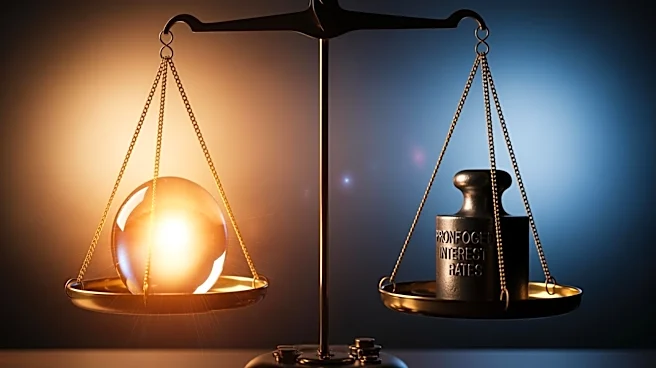
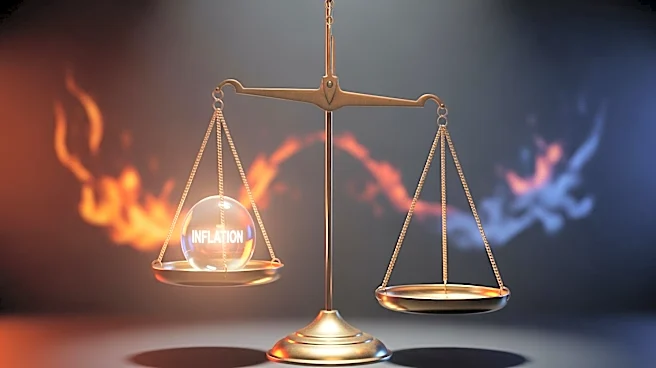
The Federal Reserve faces a challenging balancing act as it navigates the dual risks of higher inflation and potential economic slowdown. The upcoming government inflation report, expected to show a significant increase in March, will provide further insights into the inflationary pressures facing the economy. Fed officials will continue to monitor economic indicators and geopolitical developments, particularly the situation in Iran, to assess the need for future rate adjustments. The central bank's decisions will be critical in shaping the economic landscape and maintaining its mandates of low inflation and maximum employment.