



What's Happening?
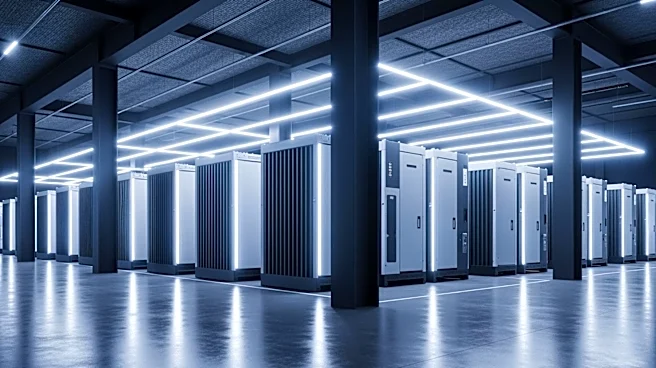
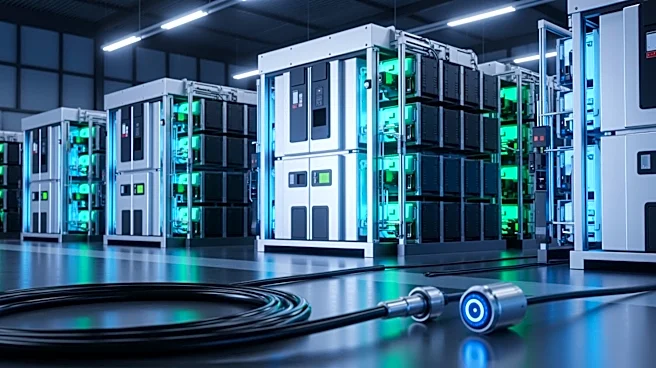
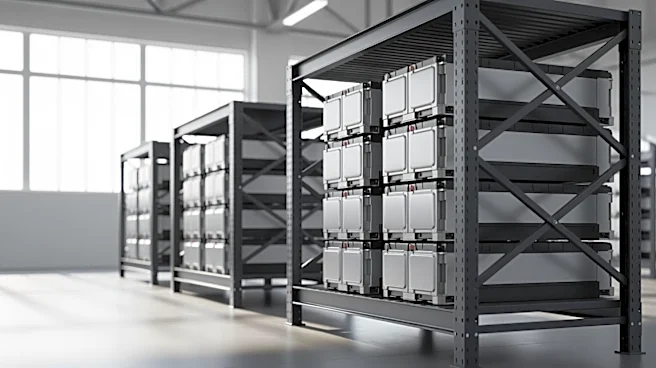
Rivian is implementing a new energy storage system at its factory in Normal, Illinois, using over 100 second-life electric vehicle (EV) batteries. These batteries, originally used in Rivian's vehicles, will form a 10 megawatt-hour energy storage system managed
by the Redwood Pack Manager. This initiative highlights the potential of EV batteries to serve as a distributed and competitive energy resource beyond their initial automotive use. The system can be expanded beyond its current capacity, indicating Rivian's potential to develop a business opportunity in second-life energy storage systems. The longevity of EV batteries, which can last up to 20 years, further supports their repurposing for energy storage.
Why It's Important?
The use of second-life EV batteries for energy storage represents a significant advancement in sustainable energy practices. By repurposing these batteries, Rivian contributes to grid health and enhances American competitiveness in renewable energy solutions. This approach not only reduces waste but also maximizes the utility of existing technology, offering a cost-effective alternative to new battery production. As the demand for energy storage solutions grows, Rivian's initiative could pave the way for similar practices across the industry, potentially creating new markets and business opportunities in the energy sector.
What's Next?
Rivian's energy storage system is scalable, suggesting future expansions as more used battery packs become available. This could lead to broader applications in local businesses or agricultural settings, enhancing energy independence and sustainability. As Rivian continues to innovate in this area, it may attract interest from other manufacturers and stakeholders looking to capitalize on second-life battery technology. The success of this initiative could influence policy and investment in renewable energy infrastructure, promoting wider adoption of sustainable practices.