





What's Happening?
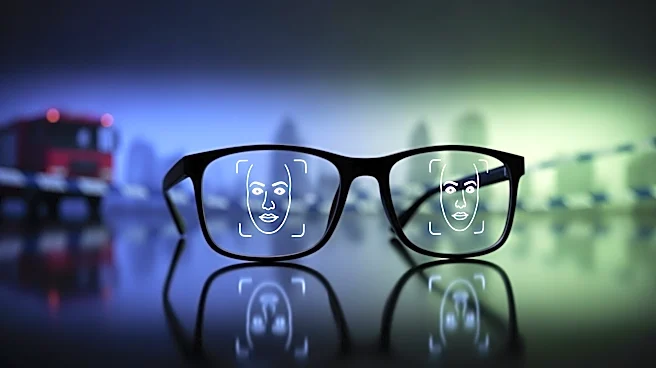
Meta has embedded facial recognition technology into the software of its smart glasses, as revealed by an investigation from Wired and confirmed by the Electronic Frontier Foundation's Threat Lab. Although the feature is not yet available to consumers,
it exists within the Meta AI smartphone app. The feature, internally named 'NameTag,' would allow the smart glasses to identify individuals biometrically and provide information about them to the wearer. This technology transforms faces captured by the glasses into unique biometric signatures, known as faceprints, which are then compared against stored faceprints on the user's phone. The Electronic Frontier Foundation has expressed concerns about this development, suggesting it could normalize biometric tracking without consent. Meta has stated that the code is part of tech exploration and no final decision has been made to launch it to consumers.
Why It's Important?
The introduction of facial recognition in consumer products like smart glasses raises significant privacy concerns. The potential for misuse of biometric data is high, as it could be used for surveillance or tracking without individuals' consent. This development could lead to increased scrutiny and regulatory challenges for Meta, especially given past controversies over privacy practices. The technology's ability to store and compare biometric data could also lead to ethical and legal challenges, particularly in jurisdictions with strict privacy laws. The broader implications for society include potential changes in how privacy is perceived and protected, as well as the need for clear guidelines and regulations to manage the use of such technologies.
What's Next?
Meta has indicated that if it decides to roll out the facial recognition feature, it will do so with transparency and without creating a central face database. However, the company faces potential backlash from privacy advocates and regulatory bodies. The development of this technology may prompt discussions and actions from lawmakers regarding the regulation of biometric data and consumer privacy. Additionally, competitors in the smart glasses market, such as Google and Samsung, may also face pressure to address privacy concerns in their products. The ongoing debate about privacy and technology is likely to intensify as more companies explore similar capabilities.