




What's Happening?
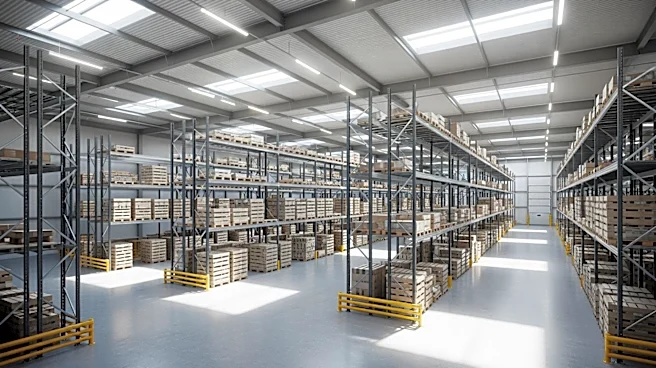
The Cincinnati-area industrial market has begun 2026 with significant momentum, according to a report by Colliers. The region posted its highest net absorption numbers in at least two years during the first quarter, with 2.36 million square feet of industrial absorption.
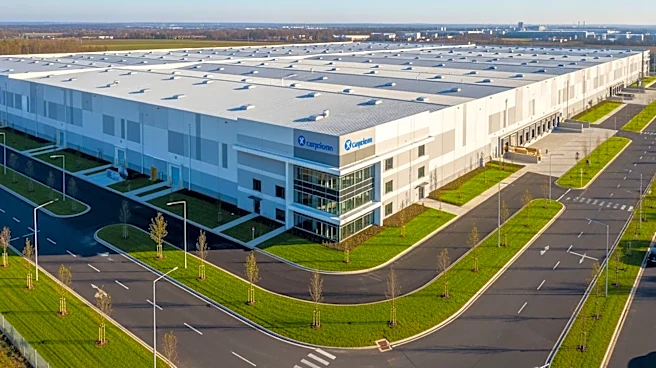
This growth was largely driven by Walmart's acquisition of a Core5 building in Monroe. The market's vacancy rate remained stable at 5.3%, while industrial rents increased to an average of $6.26 per square foot. The market also saw 184,000 square feet of new industrial space delivered in the first quarter. Key submarkets such as the Airport and Tri-County areas contributed to the positive absorption figures, with flex space in high demand due to limited new supply.
Why It's Important?
The strong performance of Cincinnati's industrial market is indicative of broader economic trends in the region. The increase in industrial rents and stable vacancy rates suggest a healthy demand for industrial space, which could attract further investment and development. The acquisition by Walmart highlights the strategic importance of the region for major corporations, potentially leading to more job opportunities and economic growth. The demand for flex space and industrial outdoor storage indicates evolving needs in the market, which could influence future construction and investment strategies.
What's Next?
As the year progresses, the Cincinnati industrial market is expected to continue its strong performance. The demand for flex space and industrial outdoor storage is likely to persist, driving rental prices higher. The stable vacancy rates and high absorption figures may encourage more investment in the region, particularly from institutional investors. However, challenges such as land scarcity and high vacancy rates in larger buildings could limit new construction. Stakeholders will need to navigate these issues to capitalize on the market's potential.
Beyond the Headlines
The trends observed in Cincinnati's industrial market may reflect broader shifts in the U.S. industrial sector. The focus on flex space and outdoor storage suggests a move towards more versatile and adaptable industrial solutions. This could lead to changes in how industrial spaces are designed and utilized, impacting urban planning and development. Additionally, the strong performance of the market may influence regional economic policies, encouraging further investment in infrastructure and industrial development.