
What's Happening?
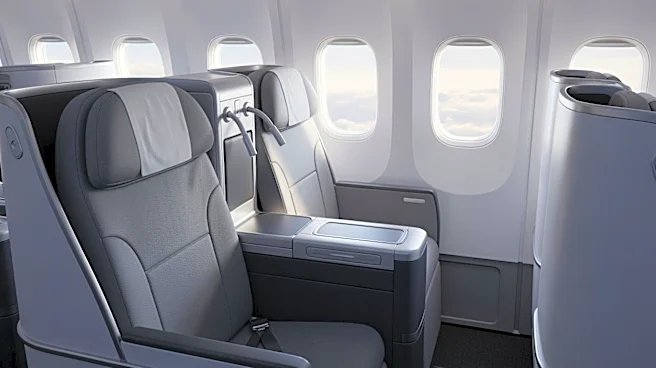
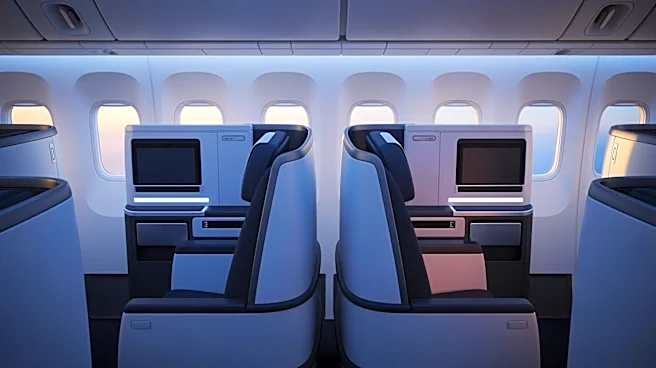
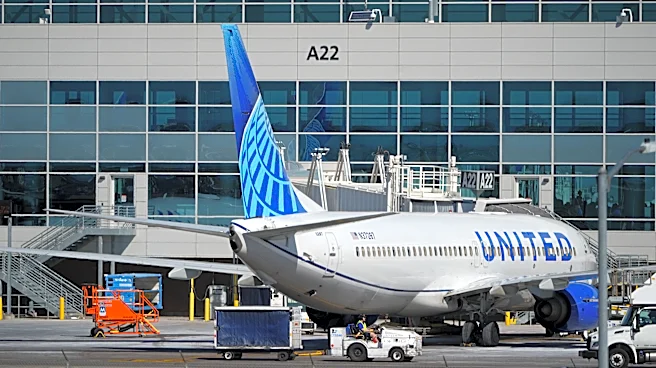
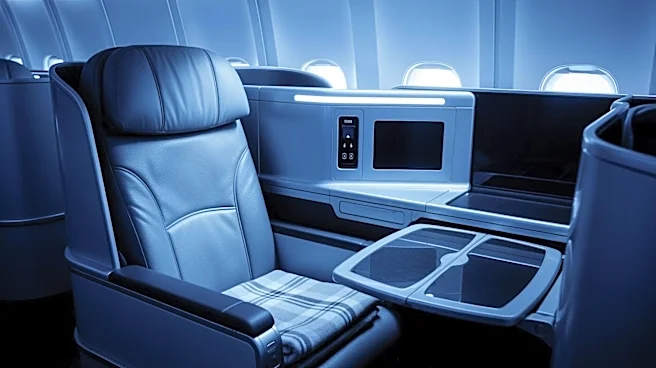
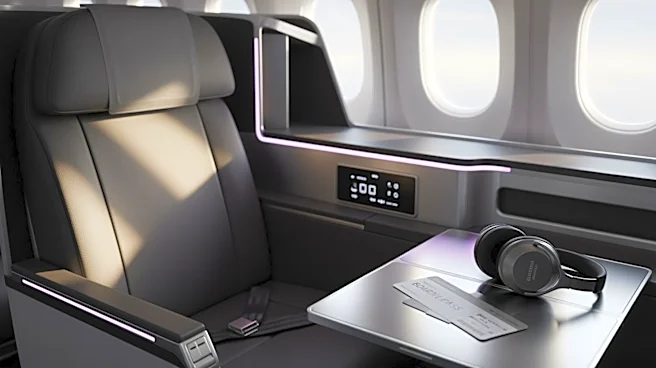
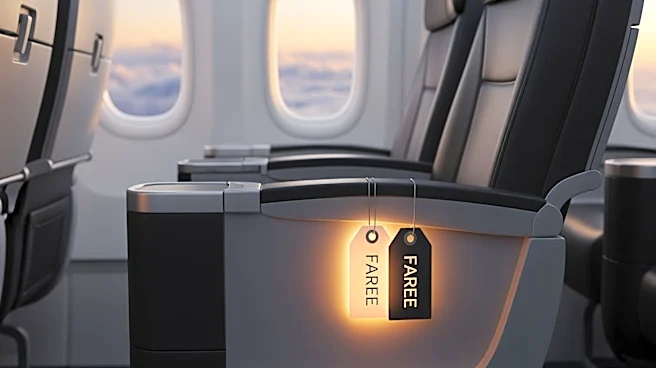
United Airlines has announced a new tiered fare system for its premium cabins, including first class, which aims to offer more choices to travelers. The new system introduces three fare types: base, standard,
and flexible, across long-haul international, transcontinental, and select Hawaii flights. The base fare offers a lower price point but comes with fewer perks, such as limited seat selection, fewer checked bags, and restricted access to United's exclusive Polaris lounges. The changes are designed to make it easier for customers to find a fare that matches their preferences, with updated booking pages set to roll out soon. The new fare categories will debut in select markets this month, with a broader rollout planned later this year.
Why It's Important?
This development is significant as it reflects a broader trend in the airline industry to adapt to financial pressures by offering more segmented pricing options. By introducing a tiered fare system, United Airlines aims to attract a wider range of customers, including those who may have been priced out of premium cabins. However, the move has sparked criticism from frequent flyers who view it as a downgrade in service quality. The introduction of basic fares in premium cabins could potentially erode the traditional premium experience, as travelers may have to pay extra for services that were previously included. This shift could impact customer satisfaction and loyalty, as well as influence other airlines to adopt similar pricing strategies.
What's Next?
As United Airlines rolls out its new tiered fare system, it will be important to monitor customer reactions and the impact on booking patterns. The airline may face challenges in balancing cost-cutting measures with maintaining a high level of service. Additionally, other major U.S. carriers may follow suit, leading to a broader industry shift towards more segmented pricing in premium cabins. The success of this strategy will depend on how well it meets the needs of different customer segments and whether it can drive increased revenue without alienating loyal customers.