







What's Happening?
A recent study conducted by researchers at University College Cork in Ireland has revealed that both caffeinated and decaffeinated coffee can positively impact mood and cognitive performance. The study involved 31 coffee drinkers and 31 non-coffee drinkers,
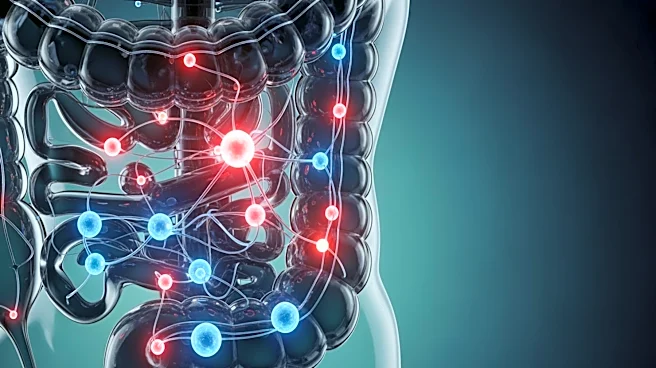
with the coffee drinkers abstaining from coffee for two weeks before reintroducing it into their diets. The participants were divided into two groups, with one consuming caffeinated coffee and the other decaffeinated coffee. The study found that both types of coffee led to changes in gut microbiome patterns and were associated with reduced stress, depression, impulsivity, and inflammation, while also enhancing mood and cognitive performance. However, only caffeinated coffee was linked to reduced anxiety and improved attention. The findings suggest that coffee, regardless of caffeine content, interacts with gut microbes and metabolism, influencing emotional wellbeing.
Why It's Important?
The study's findings highlight the potential health benefits of coffee beyond its caffeine content, suggesting that even decaffeinated coffee can contribute to improved mood and cognitive function. This could have significant implications for individuals who are sensitive to caffeine or prefer to avoid it, as they may still experience some of the positive effects associated with coffee consumption. Additionally, the research underscores the complex interactions between dietary factors, gut microbiota, and mental health, paving the way for future investigations into how these relationships can be harnessed for health interventions. Understanding these interactions could lead to new dietary recommendations or treatments aimed at improving mental health and cognitive performance.