








What's Happening?
Epic Group, a global apparel company based in Hong Kong, has inaugurated its first manufacturing unit in India, located at the Kalibeti Industrial Estate in Odisha's Khurda district. The facility, known as the Trimetro manufacturing campus, was developed
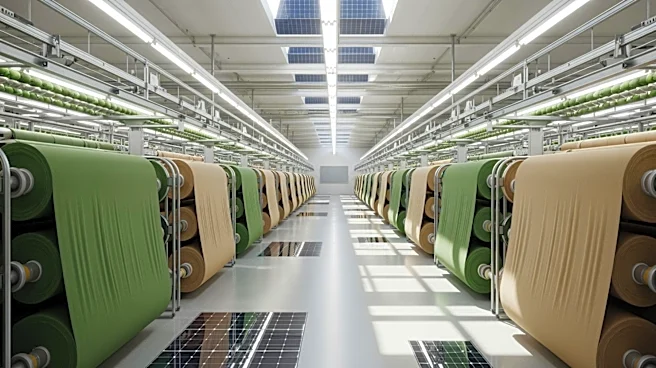
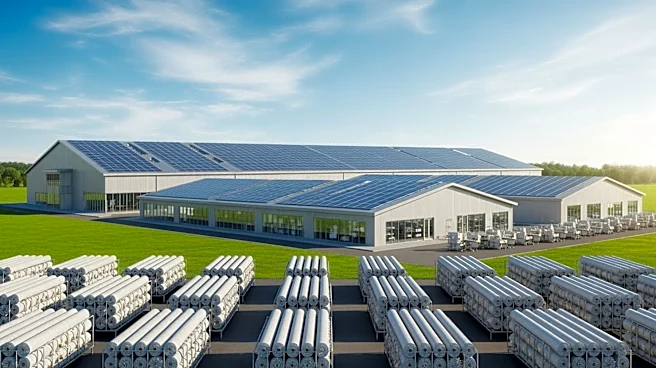
with an investment of $100 million and is touted as India's first fully net-zero carbon and net-zero water garment production facility. The project is expected to create approximately 10,000 jobs, with a significant focus on employing women. The campus spans 40 acres and features 32 production lines across two complexes, making it the company's largest production unit in India. The facility aims to produce 20 million garments annually for international brands. The project received financial backing from the International Finance Corporation, which provided a $100 million debt financing package. The facility was inaugurated by Sampad Chandra Swain, Minister for Industries, Skill Development, and Technical Education.
Why It's Important?
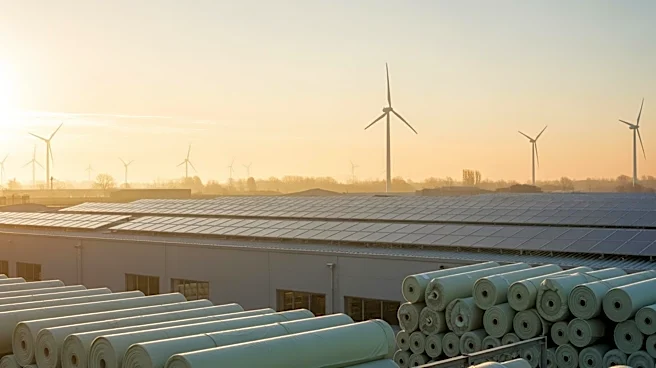
The opening of Epic Group's facility in Odisha represents a significant step towards sustainable industrialization in the apparel sector. By focusing on net-zero carbon and water usage, the facility sets a benchmark for environmentally responsible manufacturing. This initiative aligns with global efforts to reduce the fashion industry's carbon footprint, which is crucial given the sector's substantial environmental impact. Additionally, the project is poised to boost local employment, particularly for women, thereby contributing to economic growth and social development in the region. The facility's focus on sustainability and job creation could serve as a model for future industrial projects, promoting a balance between economic development and environmental stewardship.
What's Next?
Epic Group plans to continue expanding its operations, with another unit under development in Gujarat through a joint venture. The success of the Odisha facility could encourage further investments in sustainable manufacturing practices across the industry. As the facility ramps up production, it will likely attract attention from global apparel brands seeking sustainable supply chain partners. The project's emphasis on women-led employment may also inspire similar initiatives in other regions, fostering inclusive economic growth. Stakeholders, including government officials and industry leaders, will likely monitor the facility's impact on local communities and the environment, potentially influencing future policy and investment decisions.